Most of the aesthetic breakdowns on this site — quiet luxury, old money,
coastal grandmother, clean girl — share a common thread of restraint and
neutral color. “Dopamine dressing” runs in the opposite direction
entirely: color, playfulness, and personal joy as the explicit organizing
principle, positioned specifically against the more subdued aesthetics
that have otherwise dominated recent style coverage. It’s worth
understanding on its own terms rather than as simply “the opposite of
quiet luxury.”
The Actual Premise: Mood as the Design Brief
Dopamine dressing’s core idea is choosing pieces based on the emotional
reaction they produce rather than a coordinated aesthetic strategy —
color, in this framework, isn’t chosen to complement an outfit’s overall
palette the way our capsule wardrobe color guide recommends, but chosen
because a specific color or piece genuinely makes the wearer feel good.
This is a genuinely different starting principle than nearly everything
else covered in our style guides, which are generally built around
coordination and proportion logic rather than pure emotional response.
Where the Contrast and Coordination Principles Still Apply
Even within a mood-first framework, some of the underlying principles
from our other guides still function, just applied differently. The
one-statement-piece logic from our outfit-building guide still matters
for avoiding visual chaos — a dopamine-dressing outfit built around
several genuinely bold colorful pieces at once, with nothing simple to
anchor them, tends to read as costume-y rather than intentional, similar
to how competing statement pieces undermine each other in more
restrained styling. The difference is which piece functions as the
anchor: in dopamine dressing, a bold color often is the anchor, with
everything else kept simpler rather than reversed.
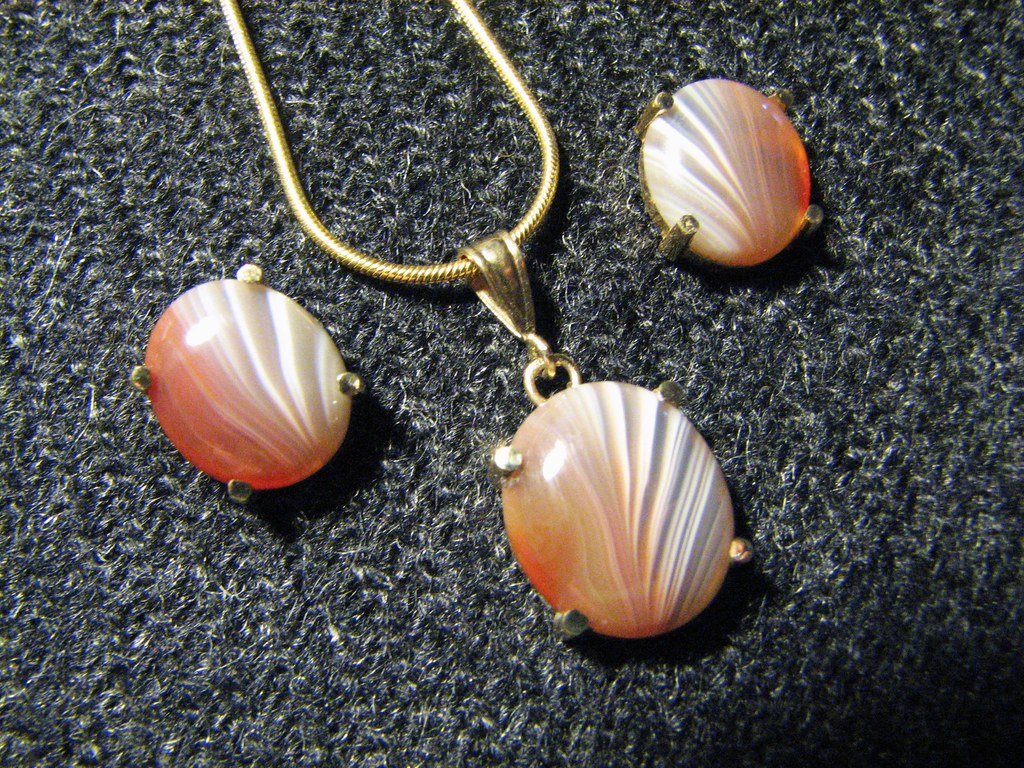
Colored Gemstones and Enamel Do the Work That Metal Finish Does Elsewhere
Where quiet luxury’s material signal is metal finish (brushed versus
polished, covered in our metal-matching guide), dopamine dressing’s
material signal is color saturation and finish in colored stones and
enamel work — a saturated, glossy enamel piece or a vividly colored
gemstone functions as this aesthetic’s equivalent of quiet luxury’s
substantial gold chain. This is worth knowing specifically because it
means the construction-quality checks that matter most shift too:
enamel chip-resistance and colored-stone durability matter more here
than the plating-thickness concerns central to our jewelry care-routine
guide.
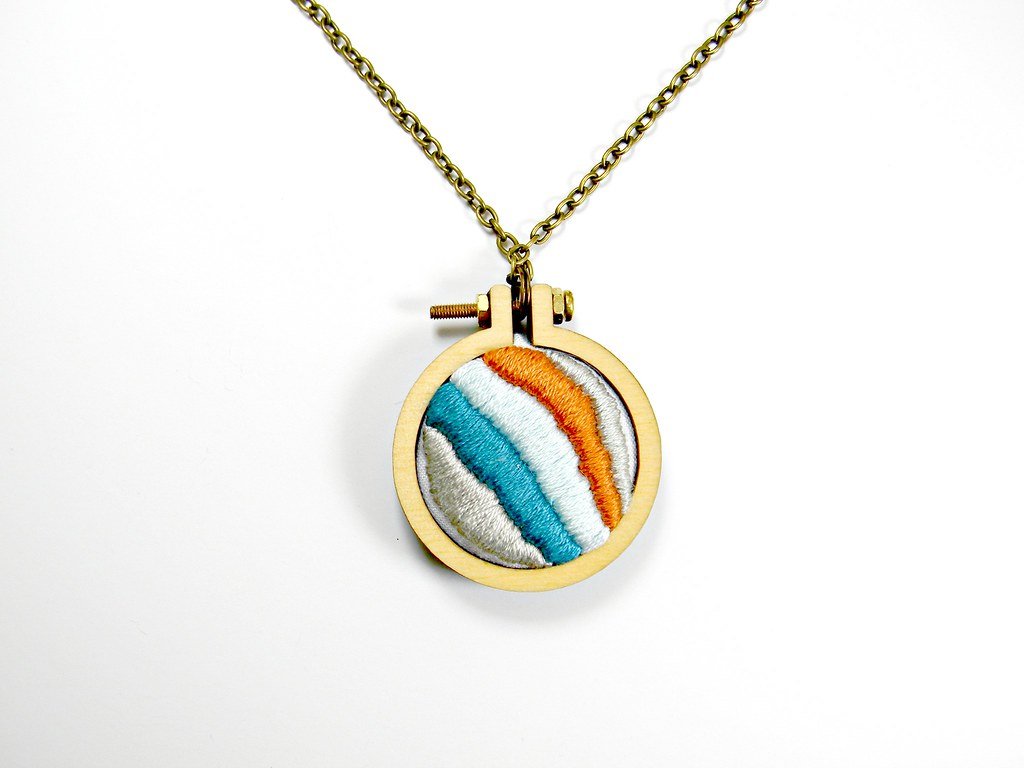
Mixing Multiple Colors Successfully
Unlike the neutral-undertone matching from our capsule wardrobe guide,
dopamine dressing generally embraces multiple colors within one outfit
or jewelry combination, but the pieces that read as intentional rather
than chaotic usually still follow some coordinating logic — a shared
color temperature (all warm-toned colors, or all cool-toned) even
across genuinely different hues, similar in spirit to the undertone-
matching principle from our neutral capsule guide, just applied across a
much wider color range rather than restricted to neutrals.
Building a Dopamine-Dressing Piece Collection Without It Feeling Random
A practical approach: choose two or three colors that genuinely make you
feel good (this is meant to be a personal, not externally-dictated,
choice) and build jewelry purchases around that specific palette rather
than accumulating colorful pieces with no relationship to each other.
This mirrors the same intentional-collection-building logic from our
capsule jewelry-box guide, just organized around personal color response
rather than wear-frequency and finish-consistency.
Where This Aesthetic and Quiet Luxury Can Coexist
These aren’t mutually exclusive wardrobes — many people maintain a
quiet-luxury daily-wear foundation (per our capsule jewelry-box guide)
while reserving dopamine-dressing pieces for specific moods or contexts
where personal joy matters more than coordinated restraint. Treating
these as two available registers, chosen based on the day or occasion
rather than needing to select one aesthetic identity permanently, is a
more realistic approach than most single-aesthetic content suggests.
Frequently Asked Questions
Does dopamine dressing require entirely rethinking a wardrobe built
around quiet luxury or neutral basics?
No — it can be layered in as an occasional register rather than
requiring a full wardrobe overhaul, similar to how a bold occasion
jewelry piece supplements rather than replaces a daily-wear neutral
foundation.
Is dopamine dressing considered a lasting aesthetic shift or a
shorter-term trend cycle?
It functions more as an ongoing counter-current to restraint-based
aesthetics than a single fixed trend with an expiration date — the
specific colors and pieces associated with it may cycle, but the
underlying “dress for mood, not just coordination” principle has shown
staying power as a recurring idea in style coverage.
Do the durability concerns from other buying guides apply less to
colorful, playful pieces?
Not less — just differently. Enamel and colored-stone-specific
durability considerations matter as much for this aesthetic as plating
thickness matters for quiet luxury’s brushed-metal pieces; it’s a
different specific durability concern, not an absence of one.