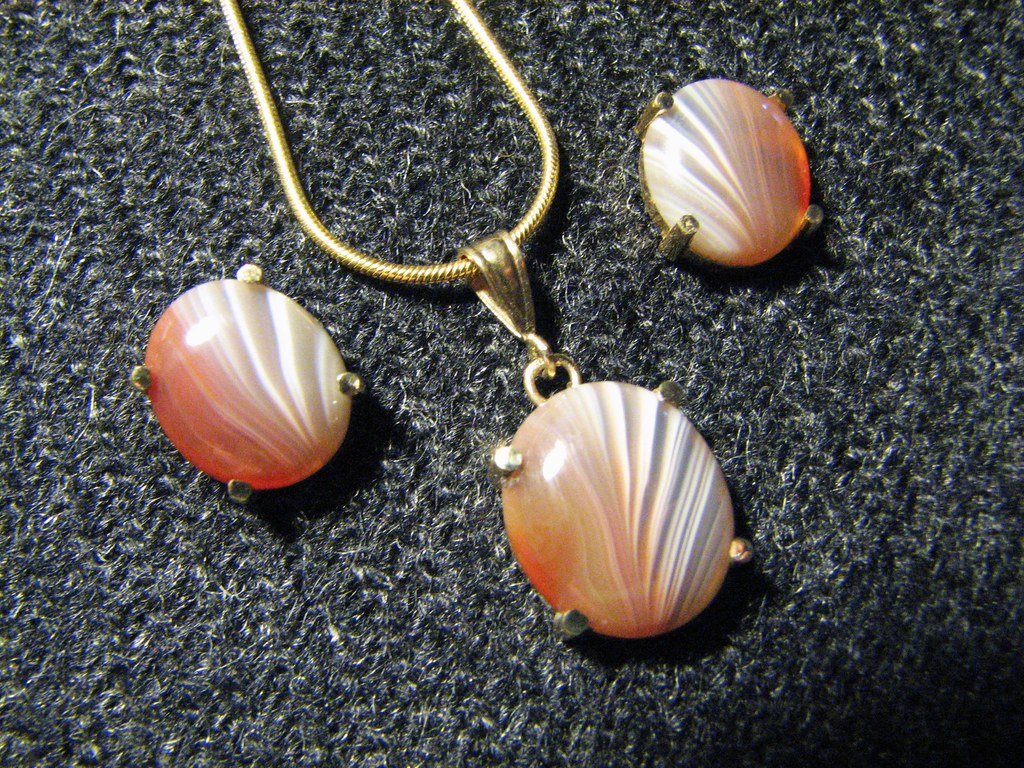
A first date is a specific styling problem: you want to feel confident
and put-together, but the setting is usually casual enough that
overdressing can feel like it’s trying too hard, and it’s frequently an
unfamiliar venue where you don’t have a clear sense of the actual dress
norm in advance. Here’s a practical, low-stress approach to accessorizing
for this specific, common scenario.
Match Jewelry Formality to the Venue Type, Not the Occasion’s Emotional Weight
The mistake worth avoiding is treating a first date’s emotional
significance as a cue to dress more formally than the actual venue calls
for — a coffee shop or casual restaurant first date styled with
evening-appropriate statement jewelry (per our red-carpet jewelry guide’s
distinction between event-scale and everyday-scale pieces) reads as
mismatched to the setting, regardless of how significant the date feels
personally. The venue type, not the emotional stakes, should drive the
formality level, the same principle from our wedding-guest jewelry guide
applied to a very different context.
The Daily-Wear Basics Tier Is Usually the Right Call
For most first-date settings — casual-to-mid-range restaurants, coffee,
drinks — the daily-wear basics tier from our capsule jewelry-box guide
(a simple necklace, small studs or huggies) is genuinely the right
level, not a compromise. This isn’t about downplaying effort; it’s that
these pieces read as put-together and intentional without signaling an
occasion more formal than a first date typically is, avoiding the
overdressed mismatch covered above.
Where One Slightly Elevated Piece Can Help
If you want to feel a bit more dressed than pure daily basics without
overshooting into statement territory, following the one-piece principle
from our outfit-building guide translates well here: one moderately
elevated piece — a slightly bolder ring, a nicer watch than daily
rotation — while keeping everything else at the simple, daily-wear
level. This adds a sense of occasion without any single piece reading as
overdressed for a first date specifically.
Practical Comfort Matters More Here Than Almost Any Other Context
A first date typically involves sustained conversation, possibly across
a longer evening than initially planned, and comfort genuinely affects
how present and relaxed you can actually be — which makes this one
context where practical wearability (per our jewelry care-routine
guide’s daily-wear durability logic) matters more than usual. Avoiding
anything that requires frequent readjustment (a necklace clasp that
needs constant centering, earrings heavy enough to be noticeable after a
few hours) removes a genuine, if minor, source of distraction during a
situation where being present matters.
When You Genuinely Don’t Know the Venue’s Formality Level
For a first date at an unfamiliar venue where formality level is
genuinely unclear in advance, defaulting to the daily-wear basics tier
is the safer choice — it’s much easier to feel slightly underdressed in
an unexpectedly formal setting than to feel overdressed in a casual one,
and simple jewelry doesn’t read as underdressed the way an overly plain
outfit might, giving you more flexibility if the venue turns out more
formal than expected.
What This Isn’t About
None of this framework is about downplaying your actual personal style
or hiding pieces you love out of excessive caution — it’s specifically
about matching formality level to a typically casual-to-mid-range
setting, not about wearing less jewelry than you’d normally choose in
general. If your daily-wear basics already reflect genuine personal
style (per the capsule jewelry-box guide’s emphasis on choosing pieces
you’ll actually want to wear), this approach doesn’t require suppressing
that at all.
Frequently Asked Questions
Is it better to underdress or overdress slightly if genuinely
uncertain about a first date venue’s formality?
Slightly underdressing is generally the safer direction, specifically
because simple, well-chosen daily-wear jewelry doesn’t read as
underdressed the way a too-casual outfit might — it reads as
intentional restraint rather than a mismatch, which isn’t equally true
of overdressing into statement-piece territory for a genuinely casual
setting.
Does this guidance change for a first date that’s already confirmed
to be somewhere more formal, like a nice dinner reservation?
Yes — in that case, matching the confirmed venue formality (following
the venue-first principle above) means it’s entirely appropriate to
dress up more, including a bolder statement piece if the venue genuinely
calls for it.
Should first-date jewelry choices be different for a video-call-based
first date (common on some dating platforms)?
The video-call jewelry guidance from our other guide applies directly
here — smaller, matte-finish pieces that read well on camera, prioritized
over anything reflective or dangling that could create glare or
distraction during the call.