A lot of styling advice talks about statement pieces as something you
add to a finished outfit, almost as an afterthought. That’s backwards
for how a genuine statement piece actually works best — the outfit
should be built around it from the start, deliberately kept simple
enough that it doesn’t compete. Here’s the practical process for doing
that with any single standout piece, whether it’s jewelry, a bag, or a
coat.
Start By Identifying What Makes the Piece a Statement
Before building anything around it, identify specifically what makes
your piece stand out — is it color, scale, texture, or shine? A bold
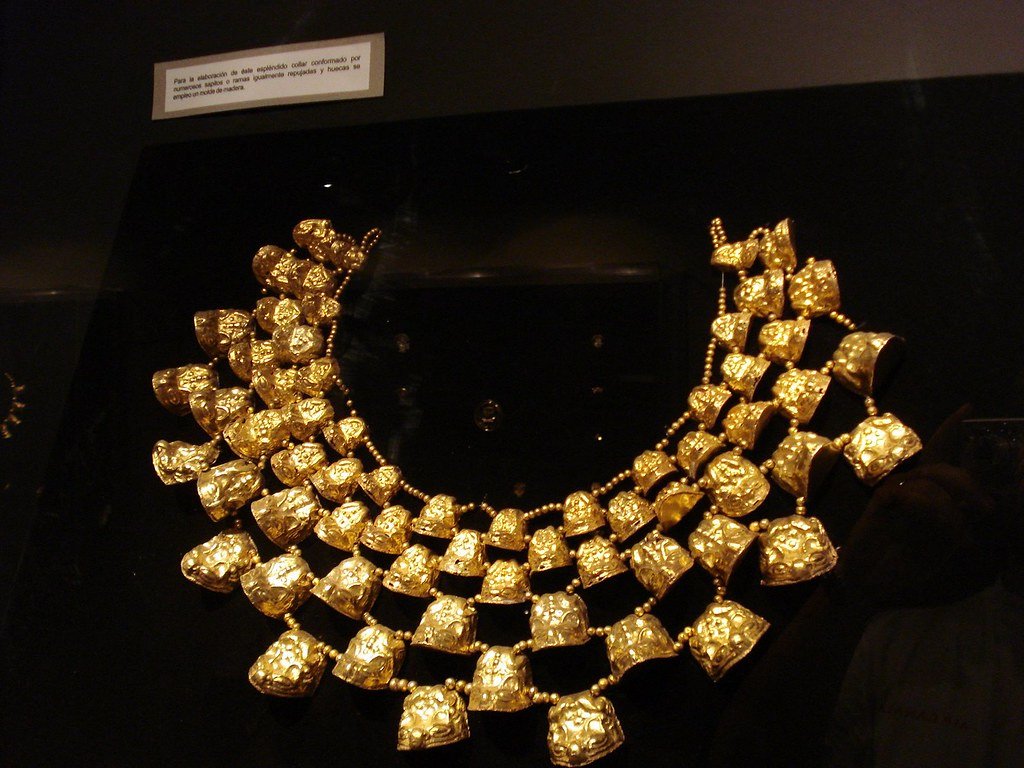
gold chain necklace’s statement quality comes from scale and shine; a
raffia woven tote’s comes from texture; a faux-fur collar coat’s comes
from texture and silhouette. This matters because it tells you what the
rest of the outfit needs to avoid competing on, specifically, rather
than needing to avoid “boldness” in some vague overall sense.
If the statement piece’s power comes from shine (like the tennis
bracelet or necklace picks in our catalog), the rest of the outfit
should stay matte and low-shine. If it comes from color, the rest should
stay neutral. If it comes from texture, as with the woven bag or faux-fur
coat, the rest of the outfit should stay in simpler, flatter fabrics.
The Rest of the Outfit Should Be Genuinely Simple, Not Just Neutral-Colored
A common mistake is assuming “neutral color” alone is enough to let a
statement piece shine — but a neutral-colored outfit with its own
busy texture, pattern, or multiple competing design details can still
visually compete with a statement piece even without clashing on color.
The rest of the outfit needs to be simple in construction, not just
muted in color — a plain crew-neck top and straight-leg trouser, for
instance, rather than a neutral-colored but heavily textured or
detailed piece.
One Statement Element at a Time
This is the rule most frequently broken: pairing a statement necklace
with a statement bag, or bold jewelry with a bold-patterned top,
producing an outfit where nothing gets to actually read as “the”
statement because multiple elements are competing for the same visual
attention. If you’re building around a specific standout piece, every
other choice in the outfit — bag, shoes, additional jewelry — should
default to the simplest, least attention-grabbing option available,
specifically so the one chosen statement piece remains the clear focal
point.
Where to Put the Statement Piece Matters
Statement pieces work best placed where the eye naturally goes first —
which for most outfits is the face and neckline area, explaining why
statement necklaces and earrings are more commonly the “one bold piece”
than statement shoes or belts, which sit in a less naturally
attention-grabbing part of the body. This isn’t an absolute rule — a
genuinely striking shoe or bag can absolutely serve as the outfit’s
statement piece — but it requires more deliberate effort to draw the eye
there, since it’s competing against the face’s natural visual priority.
Building the Look, Step by Step
Start with the statement piece itself, and identify its specific
standout quality (shine, color, texture, scale) as covered above. Choose
a simple, well-fitted base outfit that avoids competing specifically on
that quality — matte if the piece is shiny, neutral if the piece is
colorful, simple-fabric if the piece is textured. Add no more than one
additional simple accessory (a plain watch, simple earrings if the
statement piece is a bag or coat), keeping everything else deliberately
understated. Check the full outfit together before leaving, specifically
looking for any other element that’s inadvertently competing for
attention — a patterned bag, a busy shoe — and simplify further if
something else is pulling focus.
Frequently Asked Questions
Can two statement pieces ever work together in one outfit?
Occasionally, if they’re placed far enough apart on the body (a
statement earring and a statement shoe, for instance) and share a
consistent color or finish family — but this is harder to execute
successfully than the one-statement-piece approach, and is a more
advanced styling choice rather than a reliable default.
Does this approach work for building an outfit around a printed or
patterned garment instead of an accessory?
Yes — the same logic applies. A bold-print top or dress functions as the
statement piece, and the rest of the outfit (shoes, bag, jewelry) should
stay simple and drawn from a color already present in the pattern,
rather than introducing new competing colors or patterns.
How do I know if my “simple” base outfit is actually simple enough?
A useful check: if you can look at the base outfit alone, without the
statement piece, and it reads as genuinely plain rather than
interesting on its own, it’s doing its job correctly — the interest
should come entirely from the one statement piece you’ve built around.