Jewelry is one of the hardest categories to buy online because scale is
almost impossible to judge from a typical product photo — a necklace shot
against a plain white background gives you no reference point for how it
will actually sit relative to your neckline, and “18 inches” means very
little without picturing it in context. This is a practical method for
estimating real scale before buying, using information most listings
already include even when they don’t present it clearly.
Why Listing Photos Mislead More Than They Help
Most product photography for jewelry is shot to maximize detail and
sparkle, which means close-cropped, isolated shots with no size
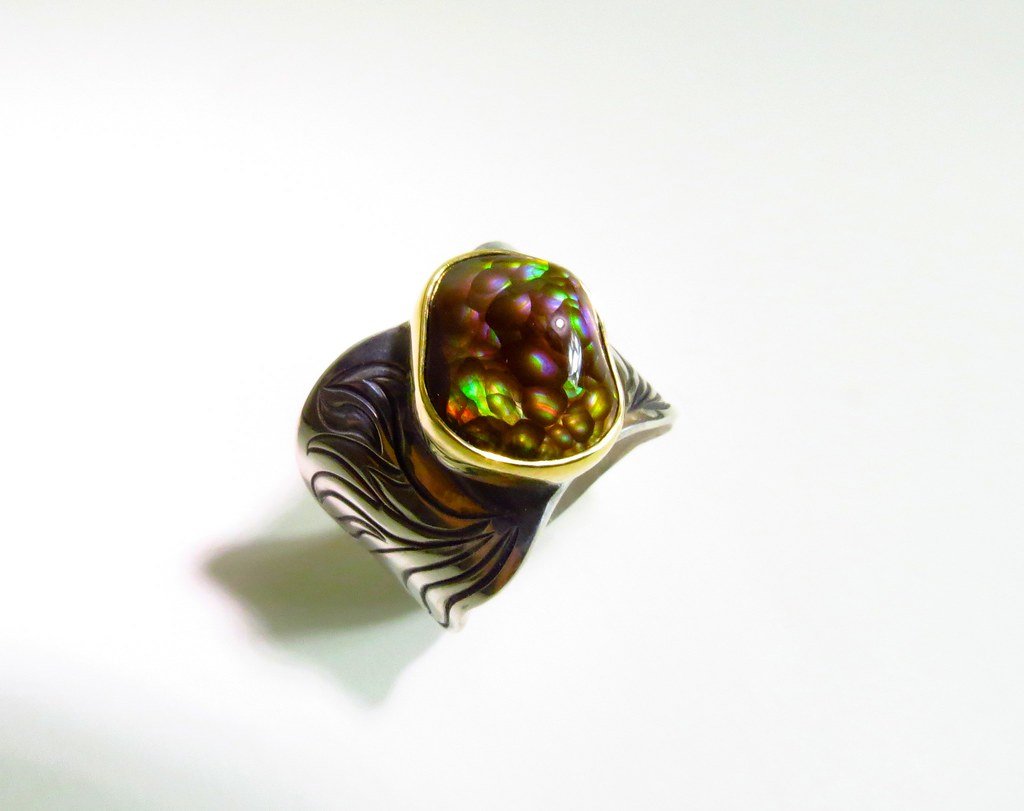
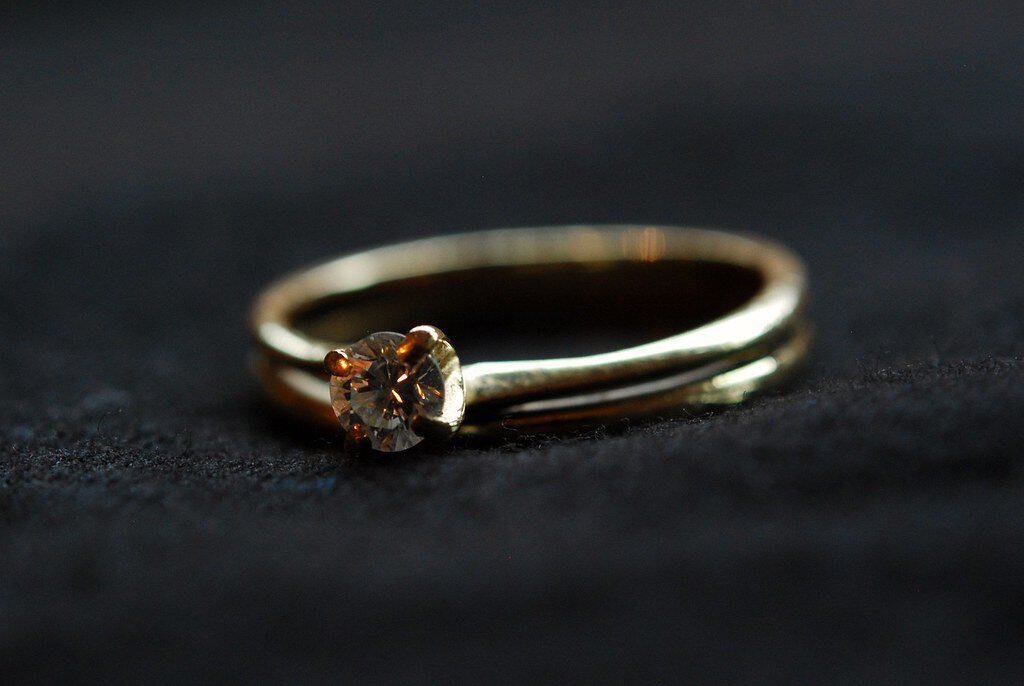
reference at all. A ring photographed alone can look either delicate or
substantial depending entirely on the crop and lighting, with nothing in
frame to anchor its actual scale. This isn’t necessarily deceptive — it’s
just how jewelry photography is conventionally done — but it means you
need to actively look for size information elsewhere in the listing
rather than trusting the hero image’s visual impression.
The Measurement You Actually Need, By Category
Necklaces: The single most useful number is chain length in inches,
combined with where that length sits on an average frame. As a rough
reference: 16 inches sits at the collarbone, 18 inches just below it, 20
to 24 inches reaches the upper chest, and anything past 24 inches
qualifies as lariat-length, sitting at or below the bust. Compare the
listed length to a necklace you already own and know the fit of, rather
than trying to picture inches in the abstract.
Rings: Band width in millimeters matters more than the stone or
setting size for judging overall visual weight — a 2mm band reads as
delicate regardless of what’s set on top, while anything above 6mm
reads as substantial even with a small stone. If a listing doesn’t
specify band width, treat that as a real gap in the information, not a
minor omission, since it’s the single biggest factor in how “dainty” or
“bold” a ring actually looks worn.
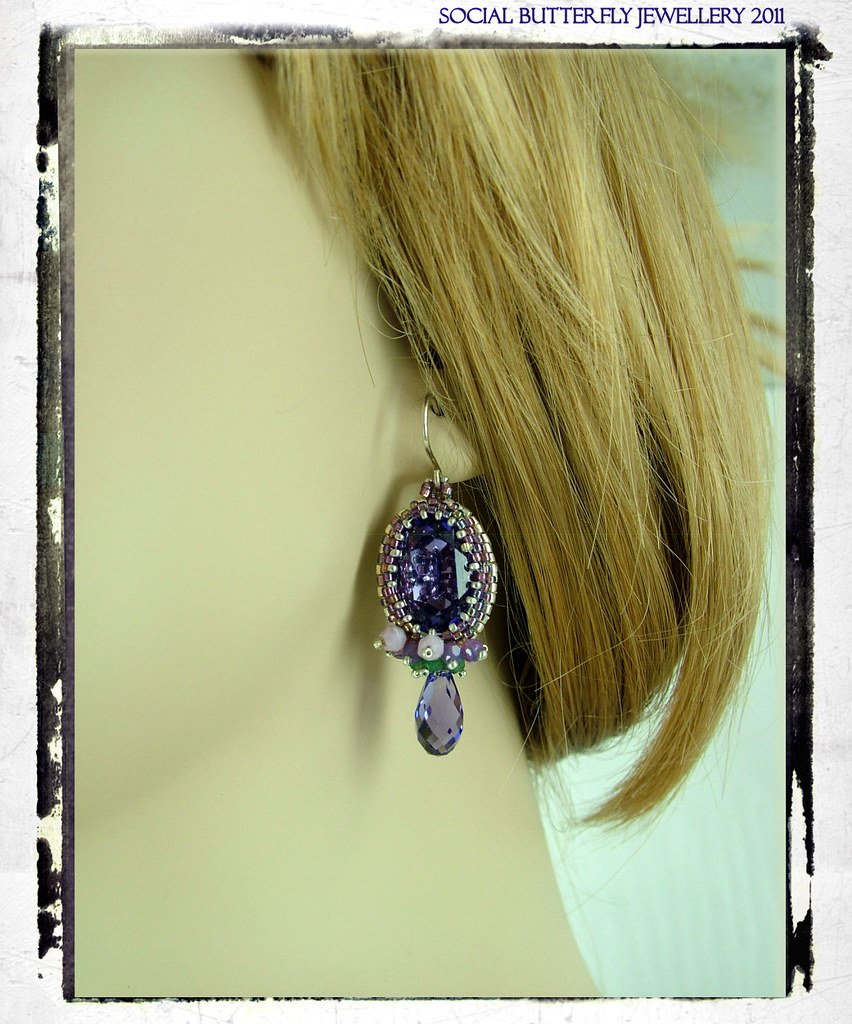
Earrings: Total drop length (not just the visible pendant) is the
number to check for anything that hangs rather than sitting flush, since
listings sometimes only measure the decorative element and not the
total length including the earring hook or post. For studs and huggies,
diameter in millimeters is the equivalent reference — under 10mm reads
as a small, everyday hoop; 15mm and up starts reading as a statement
size.
Bracelets and bangles: Interior diameter matters more than most
buyers check, particularly for rigid cuffs and bangles that don’t
adjust — a bangle with a 2.5-inch interior diameter fits a meaningfully
different wrist size than one at 2.75 inches, and unlike a chain
bracelet, there’s no clasp adjustment to compensate if you guess wrong.
Using Your Own Jewelry as a Reference Scale
The most reliable sizing method doesn’t rely on visualizing millimeters
in the abstract at all — it uses a piece you already own as a physical
reference. Measure a necklace, ring, or earring you already own and like
the scale of, then compare that measurement directly against the listing
you’re considering, rather than trying to picture an unfamiliar number.
This converts an abstract measurement into a concrete comparison you can
actually judge accurately.
What to Do When Measurements Aren’t Listed
If a listing is missing key measurements (band width, chain length,
drop length), that’s worth treating as a real information gap rather
than assuming an average size — reach out to the seller directly before
buying, particularly for anything above a moderate price point, since
guessing on scale is one of the more common reasons for online jewelry
returns.
Frequently Asked Questions
Is there a standard reference photo I can use to judge scale instead
of measurements?
Some listings include a “worn” or “scale” photo showing the piece on a
model or against a coin/ruler — when available, this is more reliable
than an isolated product shot, but it’s still worth cross-checking
against the actual listed measurements rather than relying on the photo
alone, since camera angle can distort apparent scale.
Do these size categories (delicate, medium, statement) apply the same
way across gold and silver tones?
Yes — the scale principles are about physical dimensions, not metal
color, so a 2mm band reads as delicate whether it’s gold or silver.
What’s the single most commonly misjudged measurement when buying
jewelry online?
Ring band width, by a wide margin — most people focus on stone size and
overlook band width entirely, even though it has a larger effect on how
substantial or delicate the ring reads at a glance.