Restrictive office dress codes tend to constrain clothing choices far
more than accessory choices, which is exactly why accessories are the
highest-leverage place to add personality when your actual clothing
options are limited to a narrow, conservative range. Here’s how to use
that leverage effectively without crossing into territory that reads as
unprofessional.
Why Accessories Carry More Freedom Than Clothing in Most Dress Codes
Most conservative dress codes explicitly restrict clothing categories
(no jeans, no sleeveless, hemline requirements) but rarely specify
anything about jewelry beyond vague “professional” language, leaving
significant room to express personal style through accessory choice
specifically. Understanding this asymmetry is the actual key to dressing
with personality in a restrictive environment — the clothing is where
the rules are explicit, the accessories are where the interpretation
lives.
Daily-Wear Basics Do More Work Here Than Statement Pieces
In a conservative office setting, the daily-wear jewelry basics covered
in our capsule jewelry-box guide — a simple necklace, small stud or
huggie earrings — actually carry more of the “personal style” signal
than an occasional statement piece would, since they’re seen constantly
by the same colleagues rather than making a one-time impression. This is
the reverse of red-carpet or event styling logic, where occasional bold
pieces get the most attention; in an office context, consistent daily
pieces build a more recognizable personal style over time.
Scale Matters More Than Style in Conservative Settings
The safest adjustment for adding personality without risking looking
unprofessional is staying within a smaller scale range across all
jewelry categories — a substantial bold chain necklace reads differently
in a conservative office than the same substantial-but-smaller scale
huggie hoop or thin cuff bracelet, even though both represent the same
“quiet luxury” material-quality philosophy covered elsewhere on this
site. Scale, more than any other single factor, determines whether a
piece reads as appropriately professional or as too casual/bold for a
conservative environment.
Where a Genuine Statement Piece Still Fits
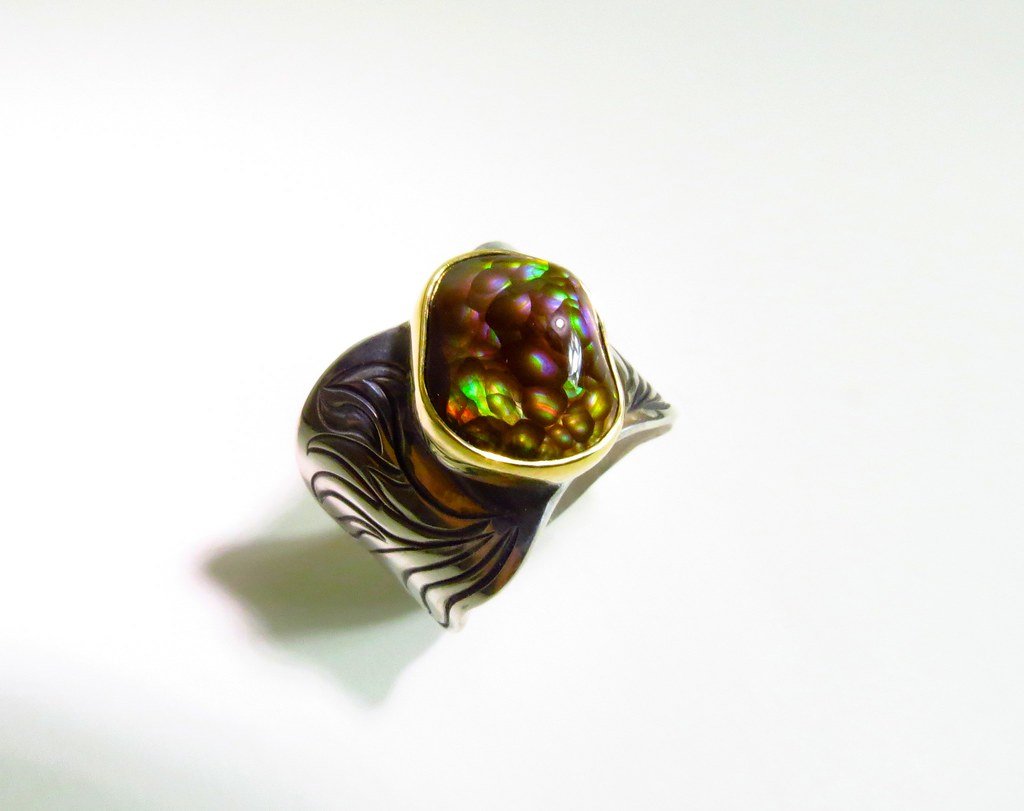
A single, well-chosen statement piece — one substantial ring, or one
distinctive necklace — can work even in a conservative office if the
rest of the outfit stays deliberately simple, following the same
one-statement-piece principle from our outfit-building guide. The
difference in an office context is that the statement piece itself
should skew toward classic, timeless shapes (a signet ring, a simple
pearl or gold pendant) rather than trend-driven or overtly maximalist
designs, which read as more casual regardless of how well the rest of
the outfit is controlled.
Scarves and Structured Bags as an Underused Category
In office settings where jewelry itself may feel limited by the
“keep it simple” logic above, scarves and structured bags carry
significant room for personal expression without any real professional
risk — a patterned silk scarf or a distinctively colored structured tote
adds visual interest through color and pattern in a way that’s much less
scrutinized in professional settings than jewelry choices are, since
these categories aren’t typically covered by dress-code language at all.
Building an Office-Specific Jewelry Rotation
A practical office capsule, following the same priority logic as our
general capsule jewelry-box guide: one daily-wear necklace and earring
set in a classic, simple silhouette; one signet ring or simple band;
and one slightly bolder piece (a substantial but not oversized cuff, or
a classic pearl statement necklace) reserved for client meetings or
higher-visibility days specifically, rather than daily wear. This gives
room for both daily consistency and occasional intentional emphasis
without needing to navigate ambiguous dress-code interpretation daily.
Frequently Asked Questions
Are hoop earrings generally considered appropriate for conservative
office settings?
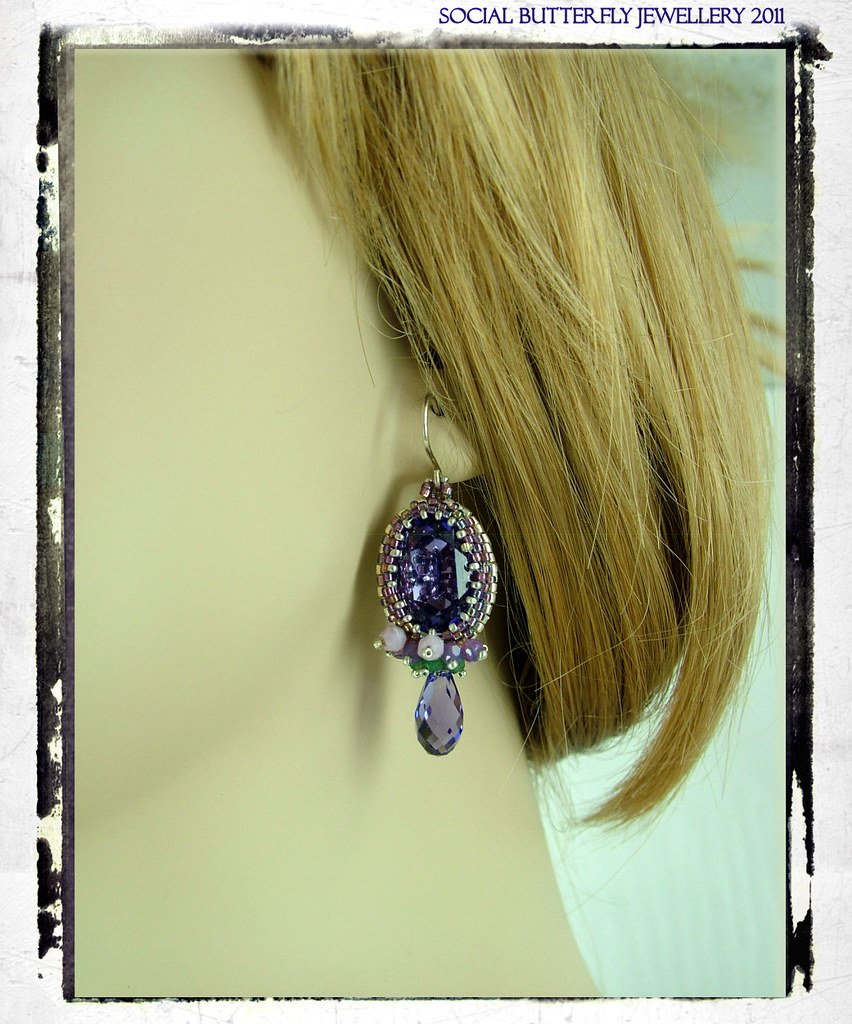
Smaller hoops (in the 10–15mm range, similar to the huggie hoop picks in
our catalog) are broadly considered appropriate in most conservative
settings; larger statement hoops are more context-dependent and worth
gauging against your specific workplace’s actual norms rather than a
universal rule.
Does the “quiet luxury” aesthetic translate directly to office
dress codes?
Largely yes — quiet luxury’s substance-over-flash philosophy aligns
well with conservative office norms, more so than more overtly trend-
driven or maximalist aesthetics, which is part of why it’s become such
a dominant reference point in professional styling content specifically.
Is it ever worth asking HR or a manager directly what jewelry is
considered appropriate?
If a dress code is genuinely ambiguous and matters significantly to you
professionally, asking directly is a reasonable and normal question —
better to clarify upfront than to guess incorrectly in a high-visibility
professional context.