Belts occupy an odd middle ground in most accessory guides — treated
either as a purely functional item (holding up trousers) or lumped into
general “accessories” advice without the specific considerations that
actually matter for choosing one as a genuine styling piece. Here’s a
more complete breakdown, treating belts the way our other guides treat
jewelry and bags: as a category with real, checkable quality and
styling factors.
Width Determines Function More Than Style
Belt width isn’t primarily a style choice — it’s the main factor
determining what a belt actually does. Narrow belts (under an inch)
function almost purely decoratively, similar to the chain belt pick in
our catalog, and aren’t meant to provide real structural support over a
waistband; they’re closer to jewelry than functional hardware. Wider
belts (1.5 inches and up) provide genuine structure and are the
practical choice when a belt needs to actually cinch or support a
garment, such as the belted trench and wool-blend overcoat picks in our
catalog.
Choosing based on width first, before considering color or hardware
style, avoids the common mistake of buying a beautiful narrow belt
expecting it to functionally cinch a heavier garment, where it will
simply fail to do the structural job a wider belt would.
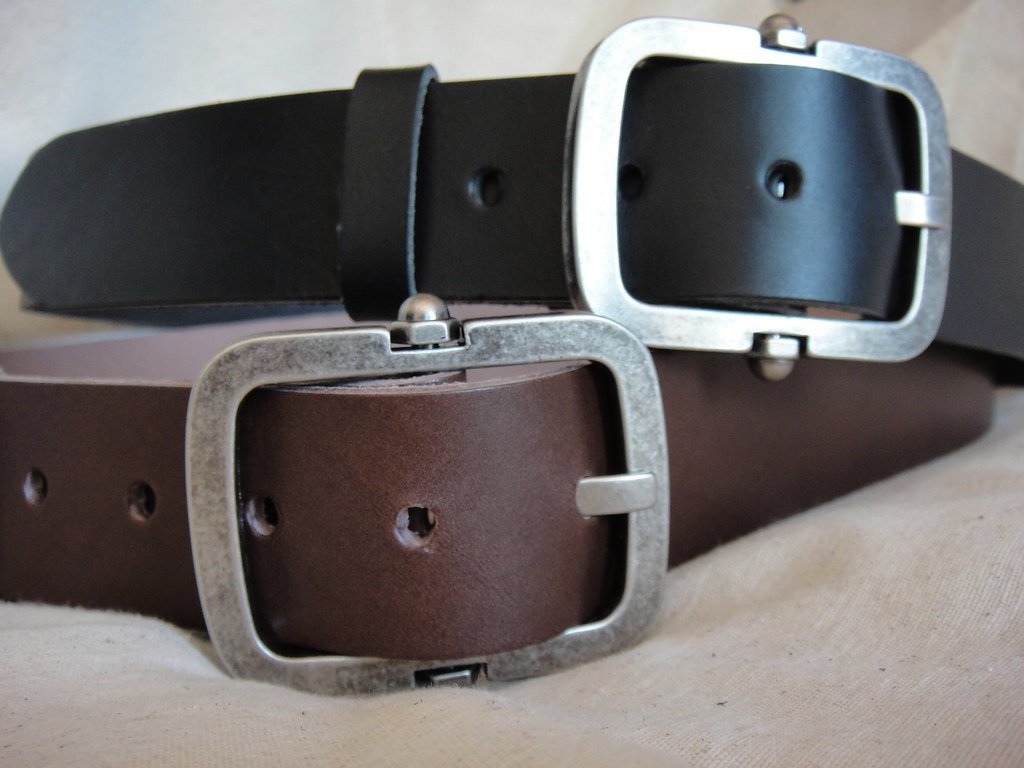
Buckle Hardware Quality Is a Genuine Durability Factor
Similar to the zipper-quality signal from our handbag-buying guide,
buckle hardware quality is a reasonably reliable proxy for overall belt
construction quality. A solid, substantial-feeling buckle with a secure,
well-fitted pin mechanism indicates better overall construction than a
lightweight, hollow-feeling buckle, even when the visible design looks
similar in photos. This matters specifically because buckle failure
(a loosening or breaking pin) is one of the more common belt complaints,
similar to the handle-attachment failure pattern noted in our bag
construction guide.
Leather Quality Follows the Same Principles as Bags
Genuine leather belts follow the same full-grain versus lower-grade
leather distinction covered in our handbag-buying guide — full-grain
leather develops a patina and ages well, while lower-grade “genuine
leather” (a broad, less meaningful label) can crack or peel with regular
wear and buckle flexing at the same fold point repeatedly. Checking for
“full-grain” or “top-grain” specificity in a belt listing, rather than
just “leather,” applies the same verification principle from our
handbag guide.
Matching Belt Hardware to Existing Jewelry
Following the same finish-consistency logic from our metal-matching
guide, belt buckle hardware finish (brushed gold, polished silver, etc.)
is worth coordinating with jewelry finish when a belt is visible as part
of an outfit, particularly for the decorative, narrower belts that
function more like jewelry. A mismatched buckle finish against an
otherwise coordinated jewelry finish produces the same subtle “off”
effect covered in that guide, just at the waist rather than the neck or
wrist.
Sizing Considerations Specific to Belts
Belt sizing typically runs on a different scale than clothing size, and
buying based on pant/dress size alone is a common mistake — checking a
brand’s specific belt sizing guide, and where possible, measuring an
existing well-fitting belt’s actual length rather than relying on
converted clothing sizes, is more reliable, echoing the comparison-
based sizing approach recommended in our jewelry-sizing guide.
When a Narrow Decorative Belt Works Best
The narrow, decorative belt category — like the chain belt pick — works
best over pieces where a defined waistline adds shape without needing
structural support: a slip dress, a looser blouse, or as a finishing
detail over the wide-leg trouser picks in our catalog, similar to how a
bold necklace anchors an otherwise simple outfit per our one-statement-
piece guide. It’s not the right category when actual structural support
or a garment’s fit depends on the belt itself.
Frequently Asked Questions
Is it worth owning both a wide structural belt and a narrow decorative
one, or does one usually suffice?
Both serve genuinely different functions, similar to the daily-workhorse
versus occasion-bag distinction in our capsule handbag guide — a single
belt type doesn’t cover both structural and purely decorative use cases
well.
Does belt material need to match shoe material, following traditional
styling rules?
This traditional rule has relaxed significantly in current styling,
similar to the shift away from rigid matching-set rules covered in our
jewelry sets guide — coordinating tone (both warm-toned leather, for
instance) matters more now than requiring an exact material or brand
match between belt and shoes.
How can I tell if a belt’s “leather” claim is accurate before buying,
from a listing alone?
The same specificity check from our handbag guide applies — look for
“full-grain” or “top-grain” language rather than the generic “genuine
leather” claim, and check reviews specifically for any mention of
cracking or peeling with regular wear.