Most jewelry product photography isn’t intentionally deceptive, but the
conventions of the format — extreme close-ups, studio lighting, heavy
color correction — can misrepresent a piece in ways that only become
obvious once it arrives. This is a practical guide to reading past those
conventions before buying, building on the scale-estimation methods
covered in our jewelry-sizing guide with a specific focus on photo
reliability itself.
Extreme Close-Ups Distort Scale More Than Any Other Factor
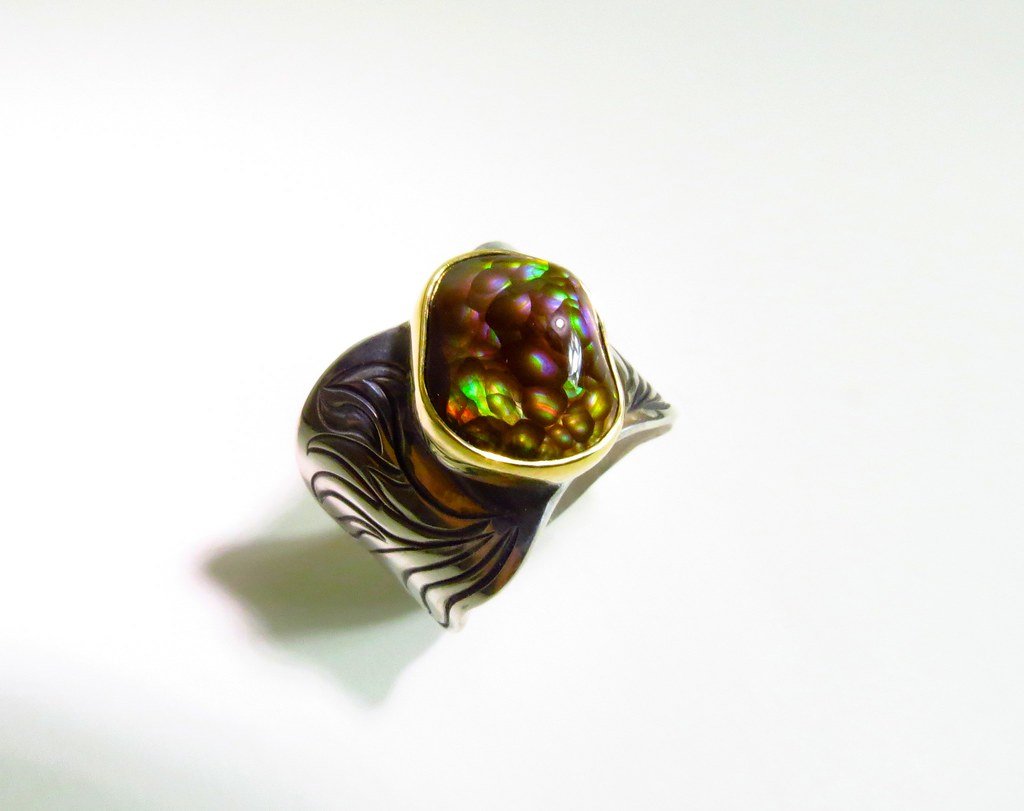
A macro, extreme-close-up product shot — common because it shows detail
and sparkle well — provides essentially no reliable scale information on
its own, since there’s no size reference in frame. This is the single
biggest source of scale disappointment covered in our sizing-by-photo
guide, and it’s worth actively seeking out a listing’s actual
measurements (chain length, band width, drop length) rather than
inferring size from how dramatic a close-up shot looks.
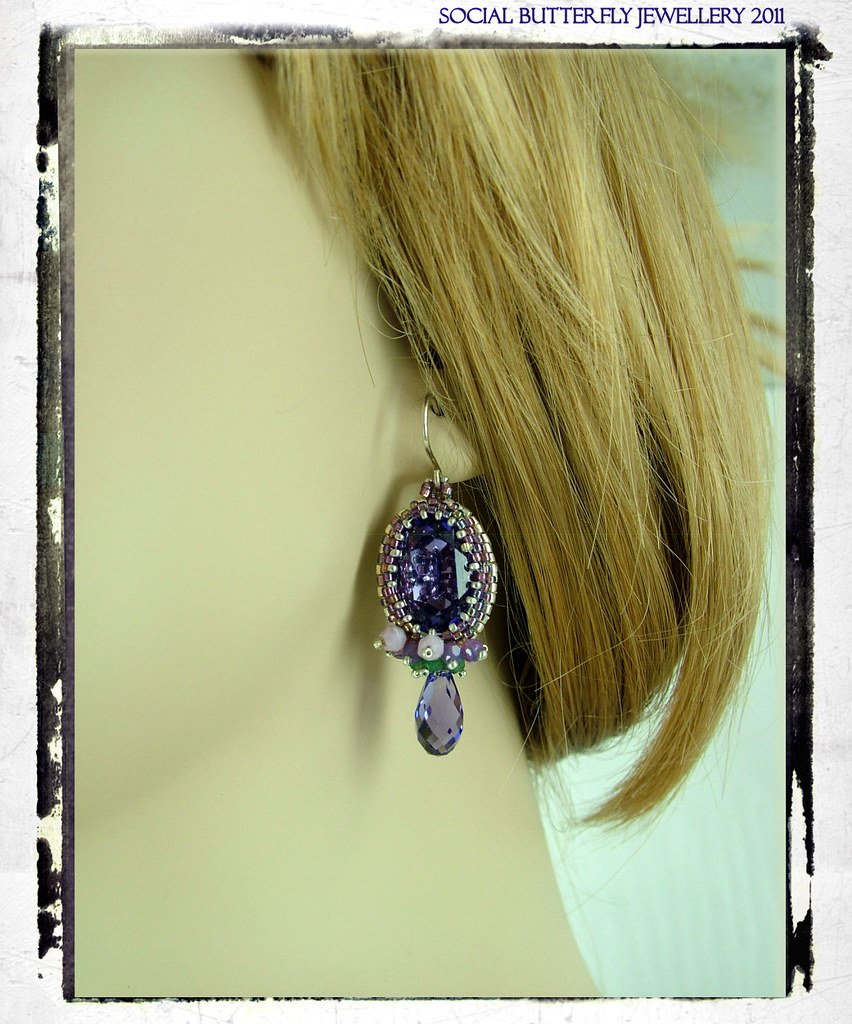
A listing that includes a “worn” photo — the piece shown on an actual
model, ideally without heavy cropping — is more trustworthy for scale
than one relying purely on isolated macro shots, since it provides
genuine visual context missing from studio close-ups.
Color Correction and Lighting Can Shift Metal Tone Noticeably
Studio product photography frequently uses lighting and color correction
that can shift how warm or cool a metal tone appears, sometimes making
a piece look more purely yellow-gold or more silver-white than it
actually is in natural light. This matters directly for the undertone-
matching considerations from our gold-versus-silver guide — if metal
tone accuracy matters to your purchase decision, look specifically for
listings with multiple photos taken in different lighting conditions,
including at least one that appears to be natural or ambient rather
than pure studio lighting.
Stock Photos Reused Across Different Sellers Are a Red Flag
If the same product photo appears across multiple unrelated sellers or
listings — checkable via a reverse image search — that’s a signal the
photo may not represent the actual specific item you’d receive from
that particular seller, even if the underlying design is genuine. This
is a more relevant concern for marketplace listings from less
established sellers than for direct brand or established-retailer
listings, where photography is more reliably tied to actual inventory.
Filters and Enhancement Apps Applied to “Real” Customer Photos
Some listings include photos labeled as genuine customer photos rather
than professional product shots, intended to seem more authentic and
less staged — but these can still be filtered or edited, sometimes more
heavily than professional studio shots, ironically. The presence of a
photo labeled as a customer or “real” photo isn’t automatically more
reliable than a professional shot; it’s worth applying the same
scrutiny (checking for scale references, natural lighting, unedited
color) regardless of whether a photo is labeled as professional or
customer-submitted.
What Independently Reliable Information Actually Looks Like
Combining several of the checks from our other buying guides gives a
more complete picture than photos alone: explicit measurements (chain
length, band width) rather than inferred scale from photos; specific
material and plating language (per our fashion-versus-fine jewelry
guide) rather than vague marketing terms; and review text mentioning
actual received appearance and accuracy relative to listing photos,
which is often the most reliable single source of truth about whether a
listing’s photography matches what’s actually shipped.
A Practical Reading Order for Any Jewelry Listing
Check the explicit measurements first, independent of any photo. Look
for a “worn” or scale-reference photo rather than relying purely on
macro shots for size impression. Note whether multiple photos in
different lighting are provided, or just one heavily studio-lit image.
Finally, scan reviews specifically for comments about accuracy relative
to photos — a pattern of reviews noting the item “looks different than
pictured” is a more reliable warning than anything in the listing photos
themselves.
Frequently Asked Questions
Is it reasonable to request additional photos from a seller before
buying, if available listing photos seem insufficient?
Yes, particularly for higher-value purchases — many sellers, especially
on marketplace platforms, are willing to provide additional angles or
natural-light photos on request, and a seller’s willingness to do so is
itself a positive signal.
Do established, well-known jewelry brands have the same photo-
reliability concerns as smaller or unknown sellers?
Generally less so — established brands typically have more consistent
photography standards and accountability for accuracy, though the
scale-distortion issue from extreme close-ups can still apply even to
otherwise reputable brand photography, making the measurement-checking
habit worth maintaining regardless of seller reputation.
How reliable are marketplace-platform “verified photo” review
badges, where reviewers upload their own photos?
More reliable than seller-provided photos alone for gauging real-world
appearance, since these images are less likely to be professionally
staged — though they can still vary in lighting and camera quality
enough to warrant checking several rather than relying on just one.