The “coastal grandmother” aesthetic borrows its name from a very specific
cultural reference — relaxed, linen-heavy, effortlessly put-together
seaside style — and while most coverage of the trend focuses on
clothing (linen shirting, wide-leg trousers, straw accessories), the
jewelry rules that make it work are more specific and more frequently
gotten wrong than the clothing side of the aesthetic.
The Material Palette Is Narrower Than It Looks
Coastal grandmother jewelry draws from a specific, limited material
palette: pearls, shell, and warm gold — almost never rhinestone, cubic
zirconia, or anything with obvious sparkle. This is a meaningfully
narrower palette than quiet luxury’s material range, which allows for
substantial chain and rhodium-plated pieces; coastal grandmother styling
stays almost exclusively in soft, matte, organic-material territory.
This narrowness is actually what makes the aesthetic identifiable — a
single rhinestone piece dropped into an otherwise coastal-grandmother
outfit reads as jarring in a way that wouldn’t happen within quiet
luxury’s broader material range, since it’s stepping outside the
aesthetic’s core material logic entirely.
Pearls Specifically, Not Just “White Jewelry”
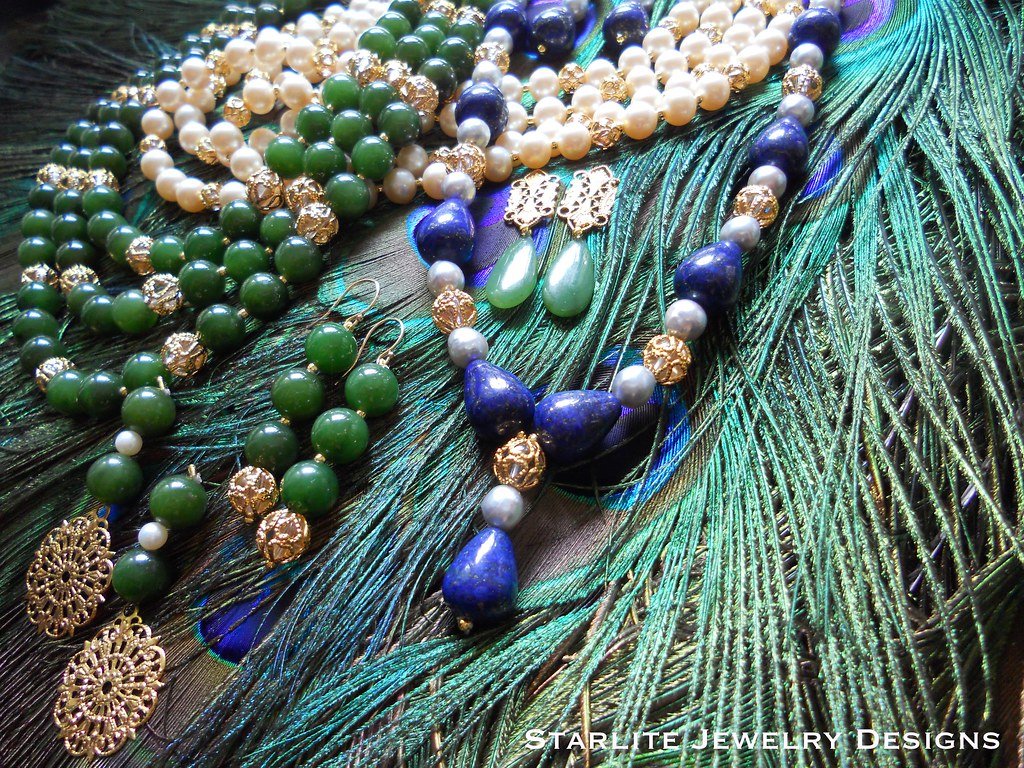
Pearls do the majority of the jewelry work in this aesthetic, but
specifically irregular, baroque-style pearls rather than perfectly round
uniform ones — the slightly imperfect, organic shape is part of what
signals “relaxed” rather than “formal,” distinguishing it from a more
traditional pearl-jewelry look that leans toward uniform roundness and a
more polished presentation.
A single baroque pearl pendant or a loosely strung, irregular pearl
necklace fits the aesthetic; a uniform strand of round pearls, while
still “pearl jewelry” in the broadest sense, reads as more classically
formal than the relaxed coastal reference point this trend is built
around.
Warm Gold, Worn Sparingly
Where coastal grandmother jewelry does incorporate gold, it tends to be
warm-toned and used sparingly — a single thin bangle, a simple chain,
rather than the layered, substantial gold that defines quiet luxury.
The gold here functions as a warm accent to the pearl and shell pieces
rather than as the aesthetic’s main event, which is a real reversal from
how gold functions in quiet luxury.
Shell and Raw-Material Accents
Shell jewelry — actual shell pendants, or pieces incorporating raw
mother-of-pearl — appears specifically in this aesthetic in a way it
doesn’t in most other current jewelry trends, tying back to the coastal
reference point directly. These pieces work best as a single accent
(one shell pendant, not a full shell-jewelry outfit) layered alongside
the pearl and gold pieces rather than replacing them.
Where This Aesthetic Diverges Most From Quiet Luxury
The clearest practical distinction: quiet luxury is built around
weight and substance (a chain or ring that has genuine heft), while
coastal grandmother jewelry is built around lightness and irregularity
(pearls and shell that read as found rather than manufactured). Trying
to apply quiet luxury’s “buy one substantial piece” principle to this
aesthetic produces a mismatch — a heavy, substantial gold chain doesn’t
fit the coastal grandmother reference point regardless of how well-made
it is, since the whole aesthetic depends on lightness rather than
substance as its signal.
Building a Starter Set
A practical starting point: one baroque pearl pendant or simple pearl
strand, a single thin warm-gold bangle or chain bracelet, and optionally
one shell or raw-material accent piece worn alone rather than combined
with the others in a single outfit. This mirrors the aesthetic’s overall
restraint — a handful of specific, well-chosen pieces rather than a
fully accessorized look.
Frequently Asked Questions
Can pearl jewelry from a “classic” formal jewelry line work for this
aesthetic, or does it need to be specifically baroque/irregular?
Classic uniform pearls can work in smaller doses (simple stud earrings,
for instance), but the more central pieces — a statement necklace or
pendant — benefit specifically from the irregular baroque shape to hit
the relaxed reference point the aesthetic is built around.
Does coastal grandmother jewelry work outside of actual warm-weather/
coastal settings?
Yes — the aesthetic translates fine as a style reference regardless of
climate or season, similar to how quiet luxury doesn’t require an
actual corporate context to work as a look.
How does this aesthetic differ from “cottagecore” jewelry, which also
uses natural materials?
Cottagecore leans toward a wider range of natural and vintage-inspired
materials (wood, dried flowers, antique-style settings) and a more
overtly romantic, rural reference point, while coastal grandmother stays
narrowly focused on pearl, shell, and warm gold specifically, with a
seaside rather than countryside reference.