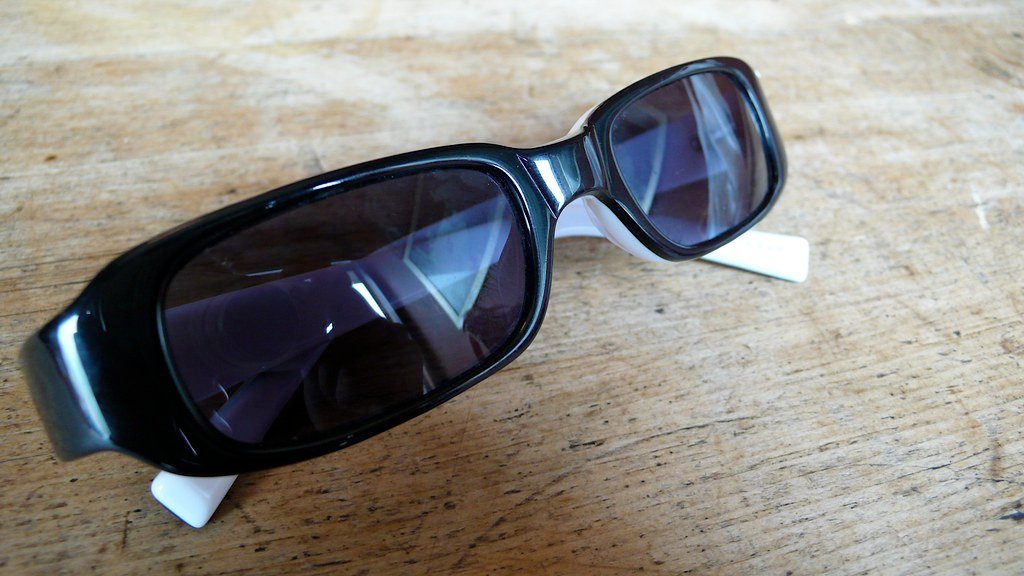
Sunglasses are bought almost entirely on appearance, more than nearly
any other accessory category, which is exactly why so many online
purchases disappoint once they arrive — the things that determine
whether a pair is actually good sunglasses (versus simply a good-looking
tinted lens) rarely show up in the styled product photo at all.
UV Protection Is Non-Negotiable and Often Underspecified
The single most important spec, and the one most likely to be buried in
fine print rather than featured prominently, is UV400 protection —
meaning the lenses block both UVA and UVB rays up to 400 nanometers,
effectively the full relevant UV spectrum. Dark tint alone doesn’t
indicate UV protection; a heavily tinted lens without UV coating is
arguably worse than no sunglasses at all, since the darkness causes
pupils to dilate, letting in more unfiltered UV light than they would
in bright, uncovered daylight.
If a listing doesn’t explicitly state UV400 (or “100% UV protection”)
somewhere in the description, treat that as a real gap worth asking
about before buying, regardless of how well-reviewed the style is.
Polarization Solves a Different Problem Than Tint Darkness
Polarized lenses reduce glare specifically — the harsh reflected light
off water, wet pavement, or car windshields — which is a different
function from simple tint darkness. Polarization matters most for
driving, water-adjacent activities, and bright reflective environments;
it matters less for general everyday wear, where standard UV-protective
tinting is sufficient.
Since polarized lenses cost more to produce, it’s worth deciding whether
you actually need this specific feature for your use case rather than
defaulting to “polarized is always better” — for someone buying
sunglasses primarily as a styling accessory rather than for driving or
water sports, standard UV-protective tinting covers the actual need.
Frame Material Affects Both Comfort and Longevity
Acetate frames (a plant-based plastic, common in the oversized-square
and cat-eye styles covered in our Affiliate Picks) tend to be more
durable and better at holding adjustment over time than injection-molded
plastic frames, but they’re also heavier — worth considering if you find
lightweight frames more comfortable for extended wear.
Metal frames, common in smaller, more minimal silhouettes, are typically
more adjustable (nose pads, temple arms) than either plastic option, but
more prone to visible wear at contact points like nose pads and hinges
with heavy daily use.
Hinge Quality Is the Weak Point Most Reviews Actually Mention
Spring hinges — which allow the temple arms to flex outward slightly
rather than being rigid — are worth specifically checking for in
reviews, since hinge failure (looseness, or a temple arm snapping) is
one of the most commonly reported sunglasses complaints across price
points. A listing mentioning spring hinges explicitly is a genuine
positive signal; their absence isn’t necessarily disqualifying, but it’s
worth weighing against reviews specifically mentioning hinge durability
over time.
What Actually Determines Fit, Beyond Face Shape
Fit advice usually focuses on matching frame shape to face shape, but
two specific measurements matter more for actual comfort: lens width and
temple arm length, both usually listed in millimeters in detailed
listings. If you already own a pair of sunglasses that fits well,
checking their measurements and comparing them to a new pair under
consideration is a more reliable method than judging fit from face-shape
guidelines alone, similar to the jewelry-sizing-by-comparison method
covered in our jewelry sizing guide.
Case and Cloth Inclusion Affects Real-World Longevity
A hard case (not just a soft pouch) meaningfully extends how long
sunglasses last in practice, since most damage happens from being
tossed loose into a bag rather than from wear itself. This is a small
detail easy to overlook when comparing listings, but it’s worth
factoring into value comparisons between similarly-priced options —
inclusion of a hard case is effectively a cost-saving addition, since a
quality replacement case purchased separately isn’t cheap.
Frequently Asked Questions
Does more expensive always mean better UV protection?
No — UV400 protection is achievable at nearly any price point and
should be treated as a baseline requirement to check for, not a feature
that scales with price. Higher price in sunglasses more often reflects
frame material, lens coating quality (anti-scratch, anti-glare), and
brand markup than UV protection specifically.
Is polarization worth paying extra for if I mostly wear sunglasses
for style rather than driving?
Not necessarily — if glare reduction for driving or water isn’t your
primary use case, standard UV-protective tinting covers the actual need,
and the extra cost for polarization may not be worth it for purely
stylistic everyday wear.
How can I tell if a lens has genuine anti-scratch coating from a
listing alone?
It’s usually explicitly stated if present; absence of the claim is a
reasonable signal it’s not included, since it’s a marketable feature
brands tend to highlight when they have it.