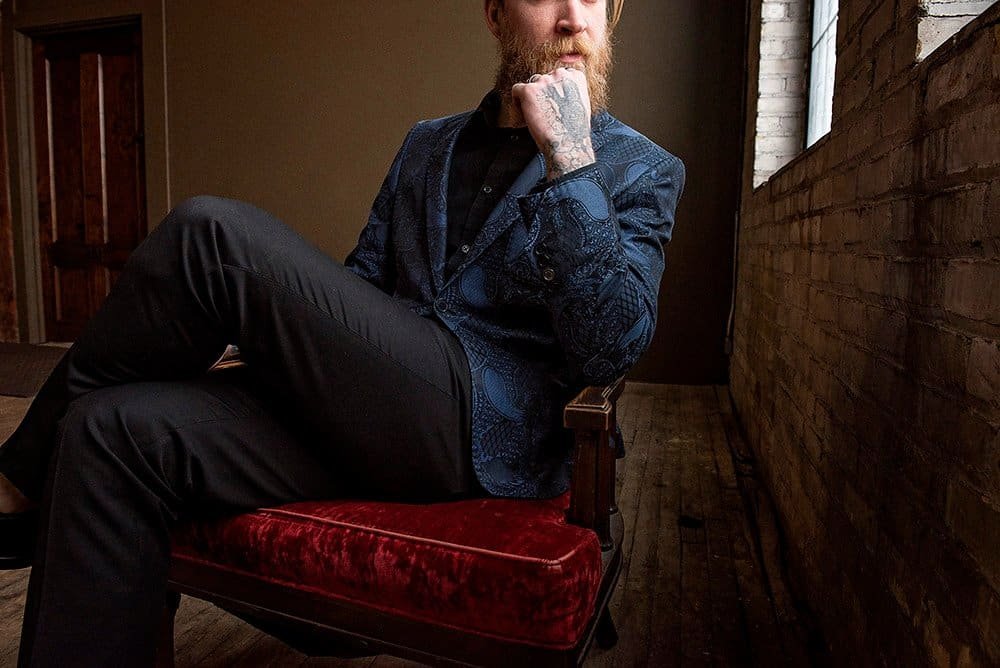
“Old money” and “quiet luxury” get used as synonyms constantly in style
coverage, and it’s easy to see why — both reject logos, both favor
neutral colors, both draw on similar ideas about understated wealth
signaling. But treating them as the same thing misses two real
distinctions that actually change what you’d buy for each, and
conflating them is why a lot of “quiet luxury” shopping guides
recommend pieces that don’t quite fit either aesthetic cleanly.
The Core Difference: Era Reference vs. Material Focus
Old money styling reaches specifically for a mid-century, preppy
reference point — the tennis sweater, the boat shoe, the collared shirt
under a crewneck, tailored trousers with a defined crease. It’s not just
“quality basics”; it’s quality basics drawn from a specific, recognizable
wardrobe era, which is why old-money outfits often photograph as
slightly more formal or costume-y than quiet luxury does.
Quiet luxury has no specific era reference at all. It’s built entirely
around material quality and finish — the substantial gold chain, the
brushed-metal watch, the cashmere-blend sweater — worn in whatever
silhouette is currently modern, not tied to a particular decade’s
wardrobe. This is the actual distinction that matters most: old money is
partly a costume (even a well-executed one), while quiet luxury is a
material philosophy applied to contemporary shapes.
Where the Color Palettes Actually Diverge
Both aesthetics favor neutrals, but the specific neutrals differ more
than most guides acknowledge. Old money styling leans toward a
specific preppy palette — navy, hunter green, cream, burgundy — colors
associated with traditional country-club and collegiate wardrobes.
Quiet luxury’s palette is more restrictive and more monochrome: black,
white, camel, and grey dominate, with the neutral gold or silver of
jewelry providing the only real color contrast in a given outfit.
This matters practically: a hunter-green sweater fits cleanly into old
money styling but reads as slightly off within a strictly quiet-luxury
outfit, where it would compete with the black-white-camel-grey
foundation the rest of the look is built on.
Accessories Tell the Two Aesthetics Apart Fastest
If you’re trying to identify which aesthetic a specific outfit is going
for, accessories are the fastest tell. Old money accessories skew toward
specific traditional items — a signet ring (specifically the engraved,
heraldic-style version, more than the plain quiet-luxury signet), a
grosgrain ribbon belt, a structured top-handle bag in a specific
equestrian-adjacent style.
Quiet luxury accessories are more finish-driven and less item-specific
— any substantial, brushed-metal jewelry works, any structured bag in a
neutral tone works, because the aesthetic isn’t referencing a specific
sub-culture’s traditional pieces the way old money explicitly is.
Why This Distinction Actually Matters When Shopping
If you’re building a wardrobe around one of these aesthetics
specifically, understanding the difference changes what you’d
prioritize buying. Someone going for old money should prioritize the era-
specific pieces — the tennis sweater, boat shoes, a proper collared shirt
— over generic “quality basics,” since the aesthetic depends on those
specific reference points being present. Someone going for quiet luxury
should prioritize material and construction quality in whatever
contemporary silhouettes they already wear, without needing to adopt any
specific traditional pieces at all.
Trying to build one wardrobe that does both simultaneously usually
produces a slightly confused result — a tennis sweater (old money) paired
with an ultra-modern structured tote (quiet luxury) doesn’t fully commit
to either reference point, even though both pieces individually are
“quality neutral basics.”
Can You Mix Them?
You can, and a lot of current celebrity styling does exactly this rather
than committing fully to one aesthetic — but it works best when one
aesthetic is clearly dominant and the other contributes a single
accent piece, rather than trying to split an outfit evenly between both.
A predominantly quiet-luxury outfit (structured neutral pieces, brushed
gold jewelry) with a single old-money accent (a collared shirt
underneath) reads as intentional. An even split between both tends to
read as an outfit that hasn’t decided what it’s going for.
Frequently Asked Questions
Which aesthetic is more budget-accessible to start building?
Quiet luxury, generally, since it’s defined by finish and material
quality rather than specific traditional items — you can apply the
principles to whatever silhouettes you already wear. Old money requires
sourcing the specific reference pieces (collared shirts, tennis
sweaters, loafers), which is a more defined and sometimes pricier
shopping list.
Is one of these aesthetics more “trend-proof” than the other?
Quiet luxury, because it’s built around material quality applied to
current silhouettes rather than a fixed set of era-specific items —
it naturally updates as contemporary shapes change, while old money’s
specific reference pieces are more fixed to a particular look.
Do celebrities actually distinguish between the two, or is this purely
a media framing?
It’s largely a media and content-framing distinction rather than
something styling teams necessarily label internally, but the visible
differences in silhouette, palette, and accessory choice described above
are real and consistently observable across coverage of both terms.