“Cost-per-wear” gets mentioned constantly in fashion content, almost
always after the fact, to justify a purchase someone already made. That’s
backwards — the actual value of the concept is as a decision tool used
before buying, not a rationalization used after. Here’s how to
calculate it properly, and more importantly, how to use it to compare two
different purchases you’re actually deciding between.
The Basic Calculation
Cost-per-wear is simply the purchase price divided by the realistic
number of times you’ll wear the item over its useful lifetime. A $200
coat worn 100 times over four winters costs $2 per wear. A $40 coat worn
15 times before it falls apart costs $2.67 per wear. The cheaper coat is
actually the worse value here, despite costing a fifth of the price —
which is exactly the kind of comparison cost-per-wear is designed to
surface and that sticker price alone hides.
The part most people get wrong isn’t the math — it’s the wear estimate.
Overestimating how often you’ll actually wear something is the single
most common error, and it’s what turns cost-per-wear from a useful tool
into a rationalization exercise.
How to Estimate Wear Count Honestly
The most reliable method isn’t guessing forward — it’s looking backward
at similar items you already own. If you own three similar blazers and
genuinely reach for one of them roughly once a week, that’s a real,
checkable wear-frequency estimate for a fourth blazer, rather than an
optimistic guess based on how much you want to wear something.
For categories where you don’t have a comparable item already, a more
conservative estimate is safer than an optimistic one — assume seasonal
rather than year-round wear for anything weather-dependent, and assume
occasional rather than frequent wear for anything that requires a
specific type of event to justify wearing.
Where Cost-Per-Wear Changes the Decision
This calculation matters most when comparing two different price points
for the same functional category, not when comparing unrelated
purchases. It’s most useful in exactly the categories our dupe-vs-
investment framework already identifies as durability-sensitive: daily-
wear bags, regularly-worn outerwear, and continuously-worn fine jewelry.
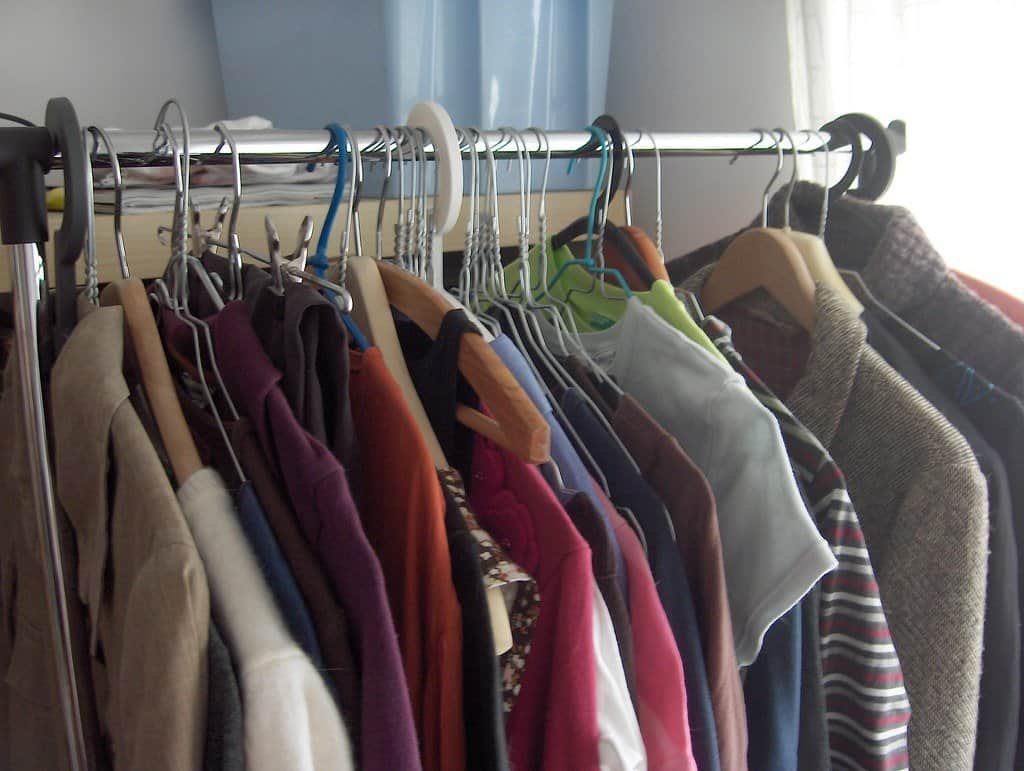
Take the trench coat and structured tote as examples. A cheaper trench
worn twice a week for a single season before the lining tears has a
worse cost-per-wear than a better-constructed one worn across five
seasons, even though the cheaper one had the lower sticker price. The
same logic applies to a well-made structured tote carried daily for
years versus a budget-construction one that needs replacing annually.
Where It Doesn’t Actually Help
Cost-per-wear breaks down as a useful tool for one-time or rare-occasion
purchases, where the calculation simply confirms what you already
know — an event dress worn once will always have a poor cost-per-wear
number regardless of price, and that’s not actually a reason to avoid
buying it if the occasion justifies it. Trying to force this metric onto
purchases that were never meant to be worn repeatedly just produces a
number that doesn’t reflect the actual decision you’re making.
It’s also not a useful framework for trend-driven pieces with a built-in
expiration date on their relevance, regardless of physical durability —
a well-made piece in a trend likely to feel dated within a year won’t
get worn enough to justify its construction quality, no matter how long
it could physically last.
A Practical Before-You-Buy Test
Before a purchase in one of the durability-sensitive categories above,
try this: write down your honest wear-frequency estimate first, based on
similar items you already own, before looking at the price. Then
calculate cost-per-wear for both the cheaper and more expensive option
you’re considering. If the more expensive option’s cost-per-wear is
lower or comparable, it’s usually the better purchase. If it’s
meaningfully higher, the cheaper option is probably the more rational
choice, regardless of how the more expensive piece looks or photographs.
Frequently Asked Questions
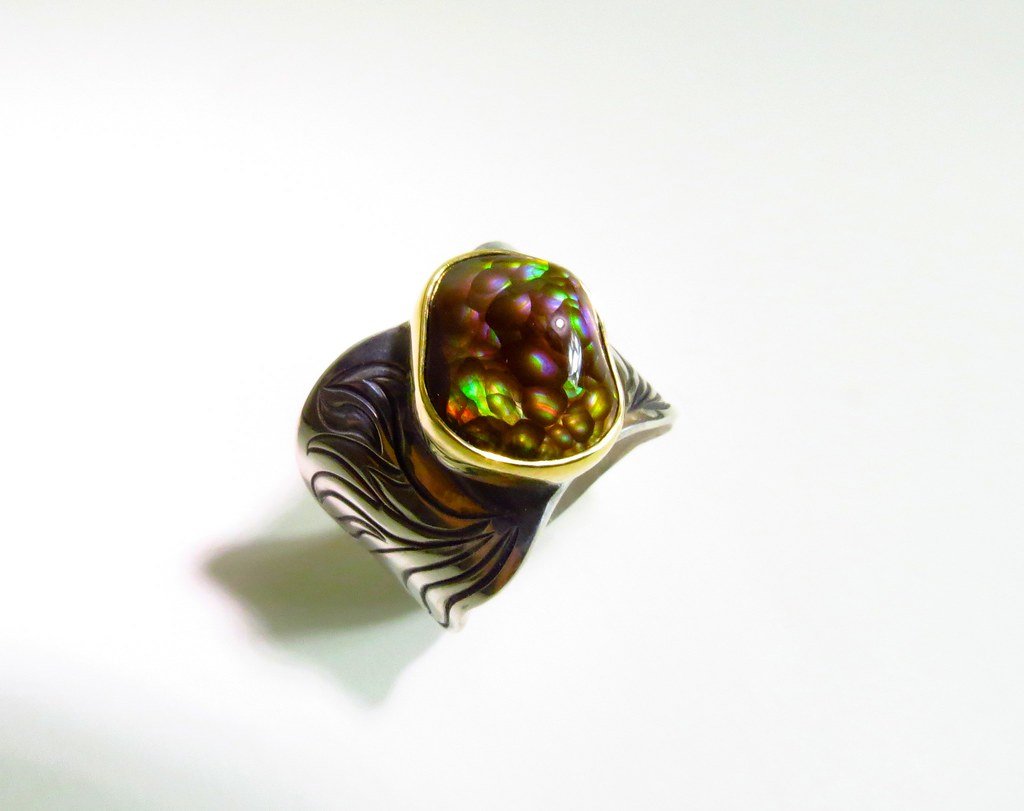
Does cost-per-wear apply to jewelry the same way it applies to
clothing?
Yes, with one adjustment: jewelry doesn’t wear out from use the way
fabric does, so “lifetime” for jewelry is more about whether you’ll
still want to wear the specific piece in five years than about physical
durability alone — style longevity matters more than material
durability for most jewelry cost-per-wear calculations.
How do I estimate wear count for something completely new to my
wardrobe, with nothing comparable to reference?
Assume the lower end of a reasonable range rather than the higher end.
It’s safer to be pleasantly surprised by wearing something more than
expected than to overestimate and end up with a worse cost-per-wear
number than anticipated.
Is a low cost-per-wear always the right goal?
Not always — an occasional-wear piece bought specifically for how it
makes you feel on a rare occasion can be worth a poor cost-per-wear
number. The metric is most useful for everyday-category decisions, not
as a universal rule for every purchase.