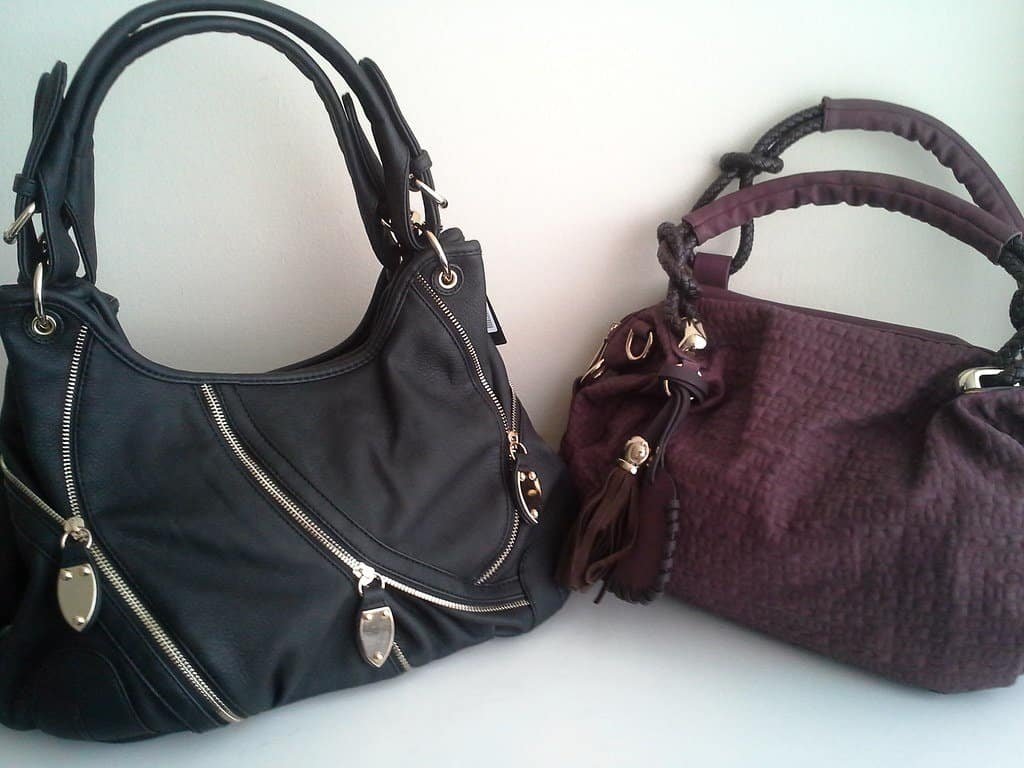
The “dupe vs. investment piece” conversation usually gets reduced to a
budget question, but budget is only half of it. Some categories
genuinely hold up fine as accessible alternatives long-term; others
degrade fast enough that the “savings” disappear within a year once you
account for replacement cost. Here’s a category-by-category way to
actually decide, rather than defaulting to “always dupe” or “always
invest.”
The Real Question Isn’t Price — It’s Wear Frequency Divided by Durability
The framework that actually holds up across categories: divide how often
you’ll wear something by how long a cheaper version realistically lasts
under that frequency. A trench coat worn twice a week for eight months a
year needs to survive very different wear than a going-out top worn four
times a year. The mistake most “always buy designer” or “always buy
dupes” advice makes is applying one rule to both situations.
Categories Where Dupes Genuinely Hold Up
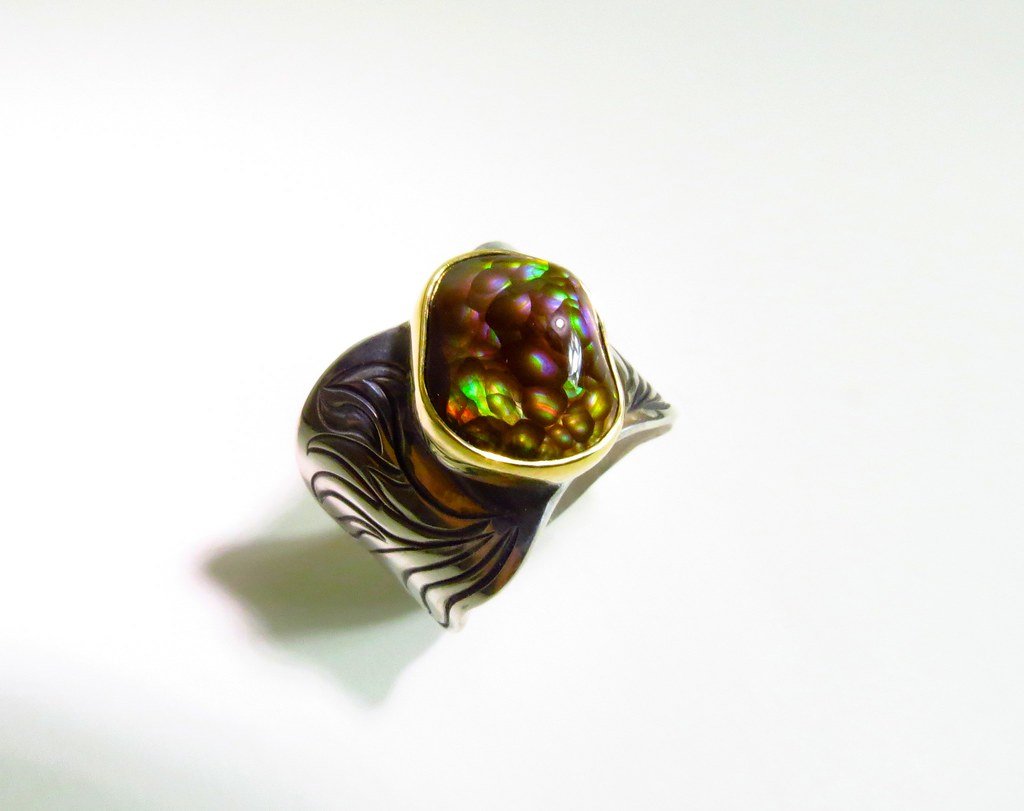
Statement jewelry, worn occasionally. A large cocktail ring or bold
necklace worn a handful of times a month faces relatively little physical
stress compared to daily-wear pieces — no repeated friction against
clothing, no daily removal and reattachment. A well-made gold-vermeil or
rhodium-plated piece in this category can realistically last years
without the wear pattern that would justify solid gold.
Trend-specific pieces with a limited lifespan anyway. If a specific
silhouette (an accessory shape, a print, a cut) is genuinely trend-driven
and likely to feel dated within two to three years regardless of build
quality, spending designer prices on it rarely pays off in cost-per-wear
terms — you’re likely to stop wearing it before the material would have
failed either way.
Sunglasses, for most people. Unless you’re extremely careful with
storage, sunglasses get scratched, sat on, and lost at a rate that makes
repeated designer purchases a poor value proposition for most people,
regardless of how good the lenses are. A quality mid-range pair with
genuine UV protection covers the actual functional need.
Categories Where the “Investment” Framing Actually Holds Up
Daily-wear bags. This is the category where the math most clearly
favors spending more, provided the piece is worn genuinely often. A
structured tote or crossbody carried five or six days a week faces
constant handle stress, corner wear, and interior wear that a
budget-construction bag typically can’t survive more than a year or two
under that frequency, while a well-constructed piece in full-grain
leather or a quality vegan-leather alternative with a reinforced frame
can realistically last five-plus years of that same use.
Outerwear worn through multiple seasons. A trench coat or structured
blazer worn regularly across an entire season faces more real wear —
weather exposure, repeated dry cleaning, structural stress on seams and
shoulders — than almost any other clothing category. Cheaper construction
tends to show its limits here specifically: shoulder padding flattening,
lining tearing at stress points, buttons loosening from repeated wear.
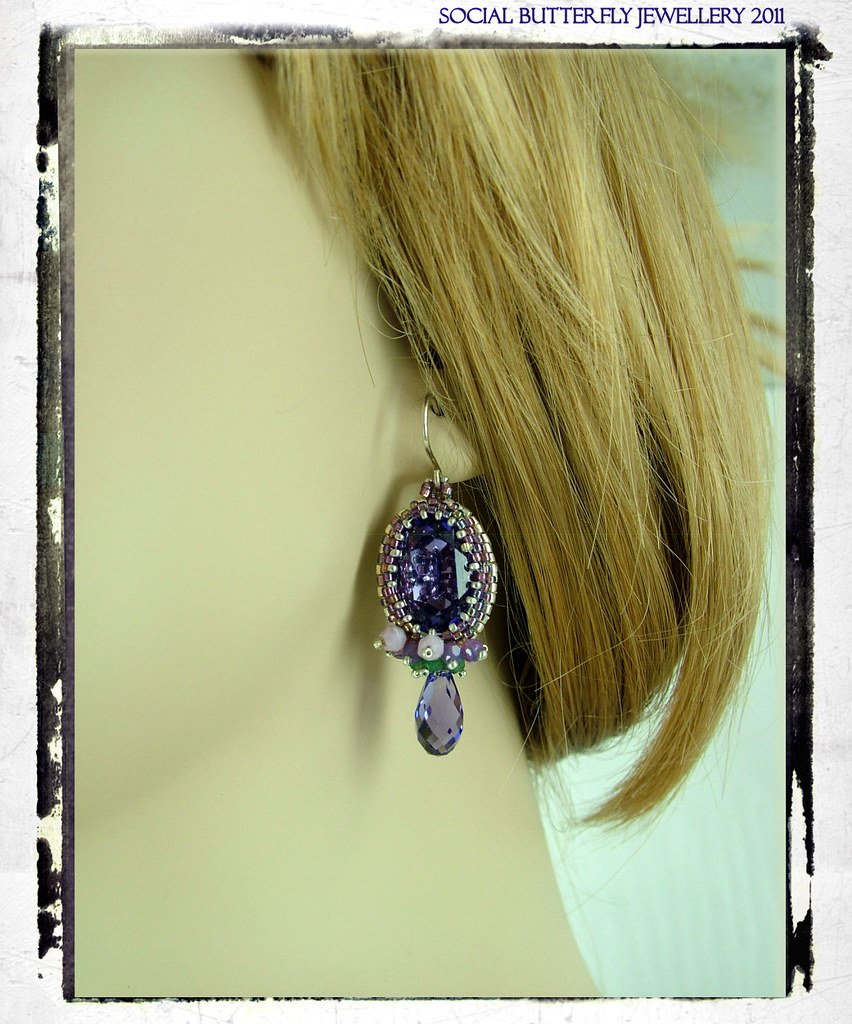
Daily-wear fine jewelry (rings, everyday earrings). Pieces worn
continuously rather than swapped daily face the most cumulative wear of
any jewelry category — constant skin contact, soap and lotion exposure,
repeated friction against clothing and other jewelry. This is the one
jewelry category where gold-filled or solid gold genuinely outperforms
standard plating in a way you’ll notice within months, not years.
The Middle Ground Most People Miss: Gold-Filled and Vermeil
A lot of “dupe vs. investment” framing skips the actual middle tier that
solves most of this problem: gold-filled and vermeil construction, which
sit meaningfully above standard gold-plating in durability without
approaching solid-gold pricing. For most jewelry categories — including
daily-wear pieces — this middle tier is the actual answer, rather than
choosing between cheap plating and solid gold.
The same logic applies to bags: a well-constructed vegan leather with a
genuine internal frame holds up far better under daily use than a
budget genuine-leather bag with poor construction, even though “genuine
leather” sounds like the safer choice on a product label. Construction
quality within a material matters more than which material it is, in
practice.
A Practical Test Before Buying Either Option
Before deciding, ask two questions honestly: how many times per month will
this actually get used, and is the design itself likely to still look
current in two years? A “yes” to frequent use and a “yes” to lasting
design both point toward investing in better construction. A “no” to
either — infrequent use, or a design likely to feel dated soon — points
toward the more accessible option, regardless of what a given trend cycle
suggests you should do.
Frequently Asked Questions
Is gold-filled jewelry actually noticeably better than gold-plated?
Yes, meaningfully. Gold-filled uses a mechanically bonded layer of gold
that’s significantly thicker than electroplating, and it won’t wear
through to the base metal the way standard plating eventually does with
regular wear.
How can I tell if a bag’s construction quality is good before buying,
beyond the material label?
Check the base for reinforcement (press on it — a quality bag’s base
won’t cave in), check stitching consistency at stress points like handle
attachments, and look at the zipper hardware quality, which is a
surprisingly reliable proxy for overall construction standards.
Does this framework apply to clothing beyond outerwear?
The same wear-frequency logic applies, but most everyday clothing
(t-shirts, basic knits) doesn’t have the same durability spread between
price tiers that structured pieces do, so the framework matters less
there than it does for bags, jewelry, and outerwear specifically.