Metal purity stamps are one of the most reliable, checkable pieces of
information on a piece of jewelry, referenced throughout our other
buying guides as a signal worth looking for — but the actual numbers and
marks can be confusing without a direct reference. This is a practical
field guide to what you’ll actually find stamped on jewelry and what
each mark means.
Gold Purity Stamps
Gold is stamped either in karats (the “k” marks) or in the equivalent
millesimal fineness (a three-digit number representing parts per
thousand). The common karat stamps: 24k is pure gold (rarely used in
jewelry due to softness), 18k is 75% gold (stamped equivalently as
“750”), 14k is approximately 58.3% gold (stamped as “585”), and 10k is
approximately 41.7% gold (stamped as “417”), the lowest purity legally
sold as “gold” in most markets. Higher karat numbers mean more gold
content and generally a richer, warmer color, but also a softer metal
more prone to scratching, which is the same durability tradeoff touched
on in our fashion-versus-fine jewelry guide, just at the level of purity
grade rather than category.
Silver Purity Stamps
Sterling silver is stamped “925,” referring to 92.5% pure silver alloyed
with other metals (typically copper) for added strength, since pure
silver alone is too soft for most jewelry use. This is the standard
stamp to look for confirming genuine sterling silver rather than
silver-plated base metal, similar to how gold-purity stamps distinguish
solid gold from plated pieces.
Platinum Marks
Platinum is typically stamped “PT” or “PLAT,” often followed by a
number indicating purity (like “PT950” for 95% pure platinum), reflecting
the high purity levels typical of platinum jewelry discussed in our
metal-comparison guide. Platinum’s stamp conventions are generally more
straightforward than gold’s, since platinum jewelry is less commonly
sold at multiple purity tiers the way gold is.
Vermeil and Plated Pieces Generally Aren’t Stamped the Same Way
This is an important practical point: vermeil, gold-filled, and
gold-plated pieces typically don’t carry the same purity stamps as solid
metal, precisely because they aren’t solid precious metal throughout.
Some vermeil pieces are marked “925” (referring to the sterling silver
base) alongside separate vermeil or gold-fill designation elsewhere in
product information, but the absence of a karat stamp on a piece isn’t
automatically suspicious — it’s actually expected and normal for the
fashion jewelry categories covered throughout catalog picks like our gold-vermeil chain necklace, openly sold as vermeil or plated rather than solid
gold.
What a Missing Stamp on a Claimed Solid-Gold Piece Means
The concerning scenario is different: a piece explicitly marketed and
priced as solid gold jewelry that carries no purity stamp at all. Since
stamping is a standard, expected practice for genuine solid precious
metal jewelry in most markets, its absence on a piece claimed to be
solid gold — as opposed to openly-marketed fashion jewelry, where no
stamp is expected — is a legitimate red flag worth treating with the
same caution as the vague “diamond-style” language covered in our
diamond-simulant guide.
Country-of-Origin and Maker’s Marks
Beyond purity stamps, many pieces carry additional marks — a maker’s
mark (identifying the manufacturer or designer) and sometimes a
country-of-origin mark, particularly on imported jewelry. These
marks are more relevant for provenance and authentication purposes
(useful for the appraisal process covered in our appraisal guide) than
for the core purity question, but they’re worth noting and
photographing if you’re documenting a piece for insurance or resale
purposes down the line.
Where to Actually Look for These Stamps
Purity stamps are typically small and located in a discreet spot — inside
a ring band, on the clasp of a necklace or bracelet, or on the post of an
earring — rather than prominently displayed. A jeweler’s loupe or a
smartphone camera’s macro/zoom function can help read a stamp that’s
too small to see clearly with the naked eye, which is worth doing before
a purchase decision if authenticity genuinely matters for that specific
piece.
Frequently Asked Questions
Can hallmark stamps be faked on counterfeit jewelry?
Yes, unfortunately — a stamp alone isn’t an absolute guarantee, which is
why the broader authentication approach from our secondhand designer
buying guide (checking construction quality, requesting documentation,
buying from verified sources) matters more for higher-value purchases
than relying on a stamp in isolation.
Do all countries use the same purity stamping conventions?
No — while karat and millesimal fineness stamps are widely recognized
internationally, some countries have additional or different mandatory
hallmarking requirements, which is worth being aware of specifically for
pieces purchased or inherited from outside your home country.
Is it worth learning to read these stamps if I mostly buy fashion
jewelry rather than fine jewelry?
It’s still useful — knowing that fashion jewelry generally isn’t stamped
the same way as solid precious metal helps you correctly interpret an
absent stamp as normal in that context, while still being equipped to
verify a stamp if you do decide to invest in a fine jewelry piece
following the priority guidance from our capsule jewelry-box and
wishlist-building guides.
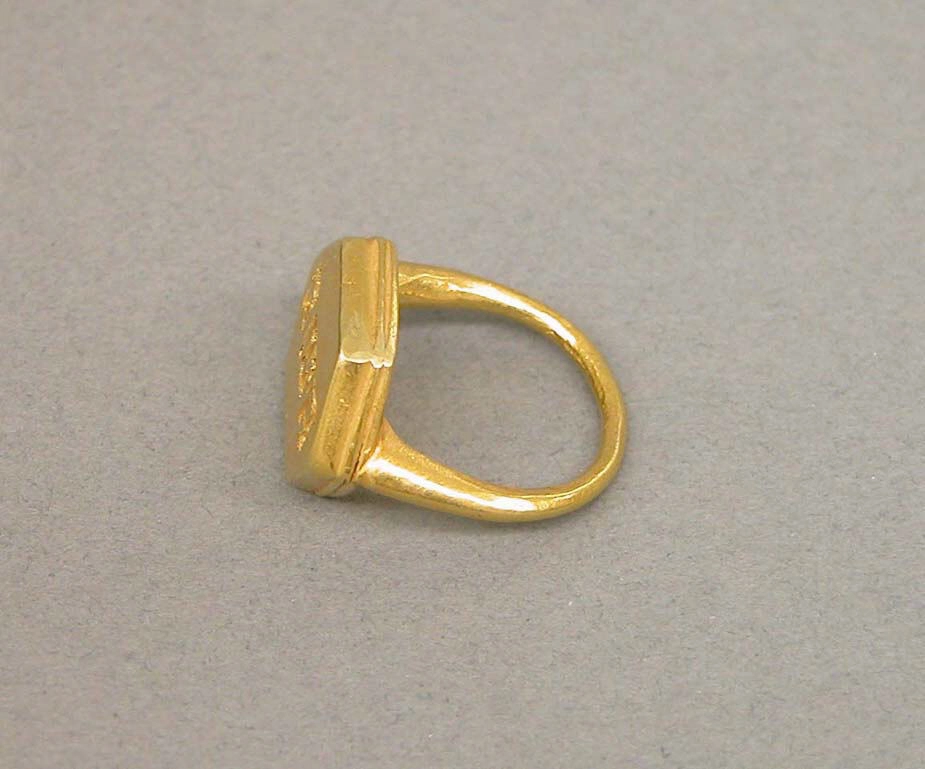
If you’re checking a specific piece against the marks covered above, a solid gold signet ring is a good one to practice on — it’s small enough that the stamp location described above is easy to find.