“Hypoallergenic” is one of the most commonly used and least regulated
terms in jewelry marketing — there’s no legal standard a piece must meet
to carry this label, which means it functions more as a marketing signal
than a guaranteed safety claim. This is worth understanding clearly if
you have genuine metal sensitivity, since relying on the label alone
isn’t a reliable safety strategy.
Why the Term Isn’t a Guarantee
Because “hypoallergenic” isn’t a regulated or standardized term in most
markets, different brands apply it based on their own internal
standards, which can range from genuinely rigorous (verified nickel-free
composition, tested against common allergens) to essentially just
meaning “this is our understanding, untested.” This is similar to the
“neutral” color labeling issue from our capsule wardrobe guide — a term
used loosely enough that it requires checking the actual specifics
behind it rather than trusting the label alone.
Nickel Is the Most Common Actual Culprit
The specific allergen responsible for the large majority of metal-
related jewelry reactions is nickel, commonly used as an alloying metal
in base-metal jewelry and in some white gold formulations (as noted in
our white-gold/platinum/silver comparison). A genuinely useful
hypoallergenic claim should specifically state nickel-free composition,
not just the general “hypoallergenic” label, since nickel avoidance is
the actual mechanism behind most reduced-reaction jewelry, not some
broader unspecified formulation change.
Which Materials Are Genuinely Lower-Risk
Beyond checking for explicit nickel-free claims, certain materials carry
genuinely lower reaction risk as an inherent property, not just a
marketing claim: titanium, niobium, and surgical-grade stainless steel
are all commonly used specifically for their low reactivity, which is
why they’re frequently recommended for new piercings (covered further in
our piercing-care guide) rather than standard fashion jewelry alloys.
Platinum, per our metal comparison guide, is also genuinely lower-risk
due to its high purity and minimal alloying.
Gold-vermeil and gold-filled pieces (per our fashion-versus-fine jewelry guide) are generally lower-risk than standard gold-plated brass, simply
because the underlying sterling-silver or gold-filled base is less
likely to contain nickel than some budget base-metal alloys, though this
isn’t a universal guarantee across every brand.
What to Do If You Have a Known Sensitivity
If you’ve had a confirmed reaction to jewelry before, the most reliable
approach is checking for explicit material composition (not just the
“hypoallergenic” label) and favoring the genuinely lower-risk materials
named above. For a new piece you’re uncertain about, a brief patch test
— wearing it for a short period on a less prominent area before
committing to extended wear — is a more reliable individual check than
trusting any label, similar in spirit to the patch-testing recommendation
in skincare-adjacent buying guides.
Reactions Aren’t Always Immediate
It’s worth knowing that metal sensitivity reactions can develop with
repeated exposure over time rather than appearing on first wear — someone
who has worn a specific metal without issue for years can still develop
a reaction later, which is different from how most people expect
allergic reactions to work. This means a piece that caused no reaction
initially isn’t a permanent guarantee of continued tolerance, particularly
for daily-wear pieces facing the continuous exposure covered in our jewelry care-routine guide.
A Practical Approach for Sensitive Skin
Favor titanium, niobium, surgical steel, or platinum for daily-wear
pieces specifically, given their genuinely lower reaction risk as an
inherent material property. For fashion jewelry, look past the
“hypoallergenic” label itself and check for explicit nickel-free
composition claims. If a reaction does occur despite these precautions,
discontinuing wear of that specific piece and considering the
genuinely lower-risk materials above for future purchases is more
reliable than assuming a differently labeled “hypoallergenic” piece from
another brand will necessarily perform better.
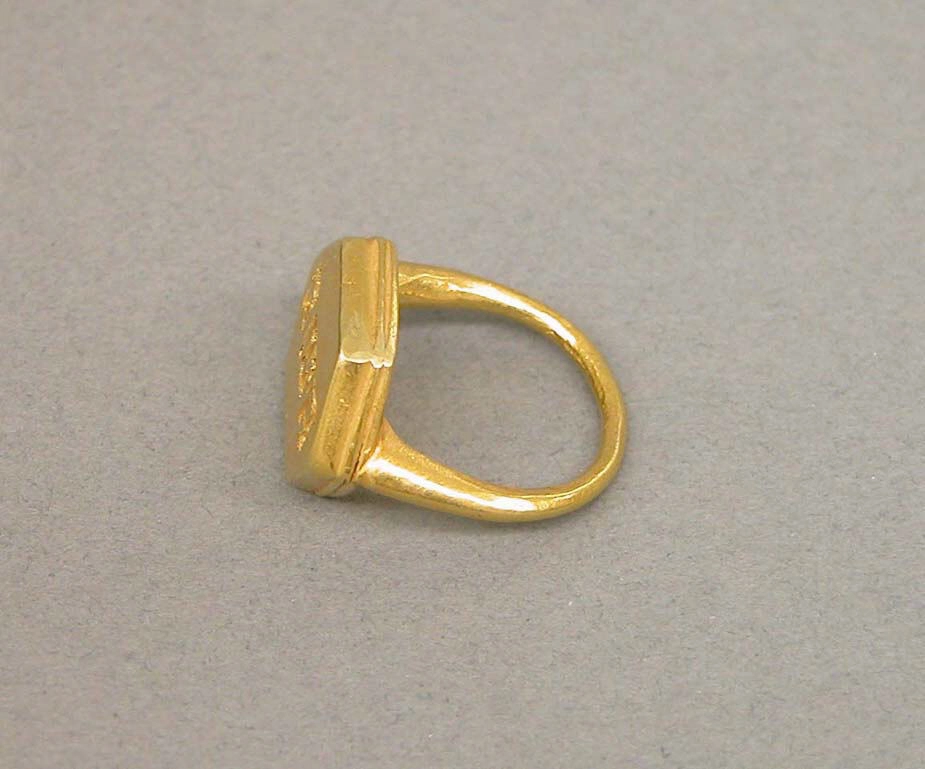
Within our own catalog, CZ stud earrings and a solid gold signet ring are both reasonable starting points if you’re shopping specifically around sensitivity — check the listing’s stated composition rather than relying on the word “hypoallergenic” alone.
Frequently Asked Questions
Is gold generally safe for people with nickel sensitivity?
Higher-purity gold (14k and above) contains proportionally less alloying
metal and is generally lower-risk than lower-purity gold or gold-plated
base metals, but it’s not automatically nickel-free — checking the
specific alloy composition remains the more reliable approach than
assuming purity alone guarantees safety.
Do “hypoallergenic” earring posts specifically reduce reaction risk
compared to the rest of an earring?
This can be a genuinely useful, more specific claim than a blanket
hypoallergenic label, since the post is the part in direct, prolonged
contact with pierced skin — a nickel-free post paired with a
different-material decorative element is a reasonable practical
compromise if the decorative part isn’t in direct skin contact.
Can a reaction to jewelry be something other than a nickel allergy?
Yes — reactions to other metals, or to the reaction between metal and
skin oils/products, are possible though less common than nickel-specific
sensitivity; a dermatologist consultation is worth considering for
recurring reactions that don’t resolve with the nickel-avoidance
strategies above.