Generic “how to clean jewelry” advice tends to recommend a single
method — usually mild soap and water — across every material, which
works for some categories and actively damages others. This is a
material-specific breakdown, since the wrong cleaning method is a more
common cause of jewelry damage than normal wear is.
Gold-Plated, Vermeil, and Gold-Filled Pieces
These plated categories, covered extensively in our jewelry care-
routine guide, need the gentlest approach of any metal category since
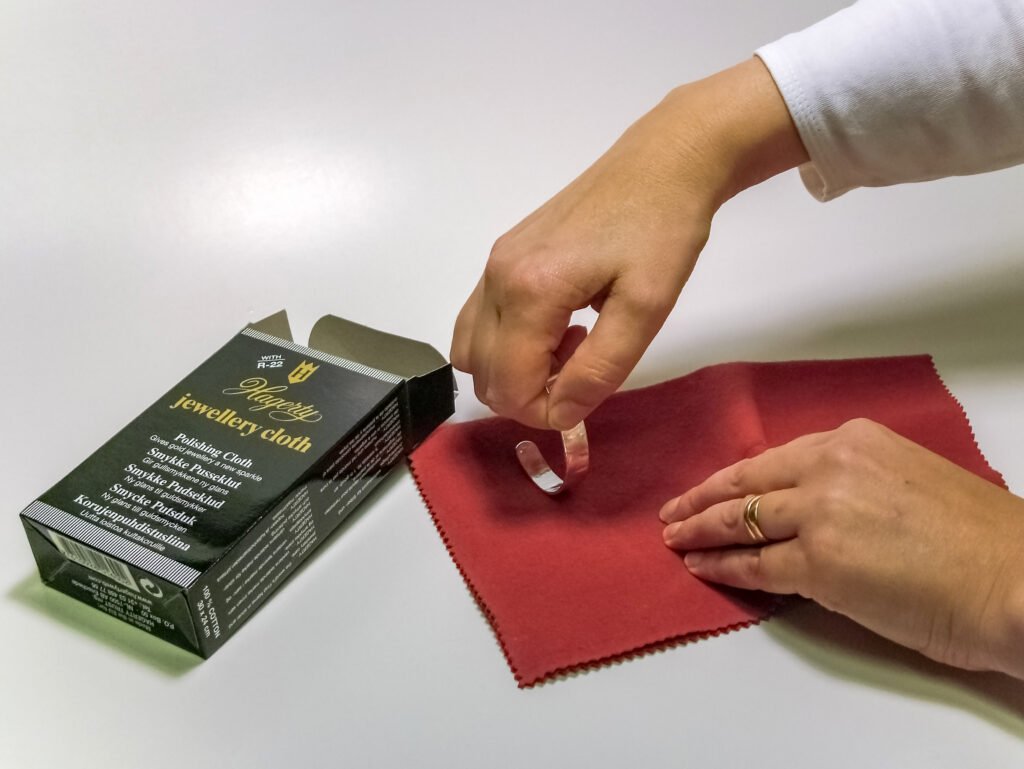
the plating layer itself can be worn away by anything abrasive. A soft
polishing cloth (not a cleaning solution) wiped gently over the surface
removes the surface oils and light tarnish covered in our care guide,
without the abrasive contact that ultrasonic cleaners or baking-soda
pastes can cause. Avoid any liquid cleaning solution not specifically
labeled safe for plated jewelry — many all-purpose jewelry cleaners are
formulated for solid gold and can strip a thin plating layer faster than
normal wear would.
Solid Gold and Solid Silver
Solid metals tolerate more direct cleaning than plated pieces, since
there’s no plating layer at risk. A mild dish soap and warm water
solution, applied with a very soft brush (a clean, soft toothbrush
works), safely removes buildup from solid gold pieces. Solid silver
benefits from a dedicated silver polishing cloth for tarnish removal,
since silver tarnishes through a genuine chemical reaction (not just
surface oil buildup) that a simple soap-and-water clean doesn’t fully
address the way it does for gold.
Pearls Require an Entirely Different Approach
Pearls are organic material, not metal, and the standard soap-and-water
or polishing-cloth methods above can damage their surface — pearls
should only be wiped with a soft, slightly damp cloth immediately after
wear, never soaked or submerged, since prolonged water exposure can
weaken the silk thread typically used to string them and dull their
surface luster over time. This applies directly to the baroque pearl
pieces referenced in our coastal grandmother aesthetic guide, where
proper pearl care meaningfully extends how long that characteristic
luster lasts.
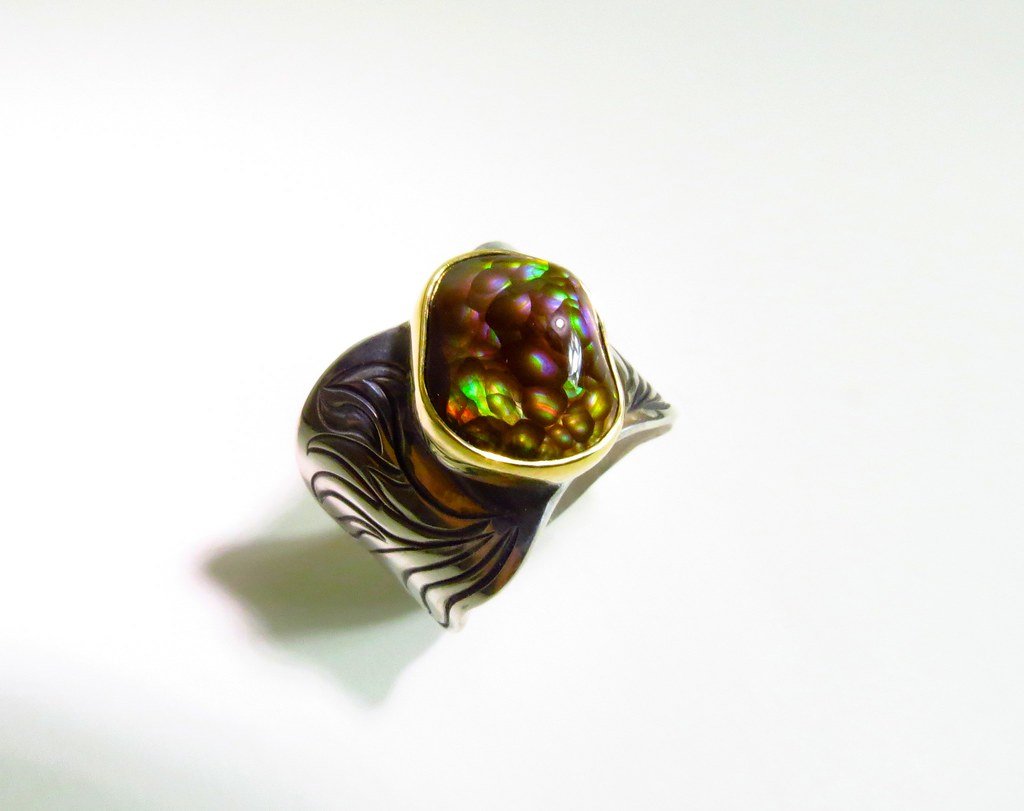
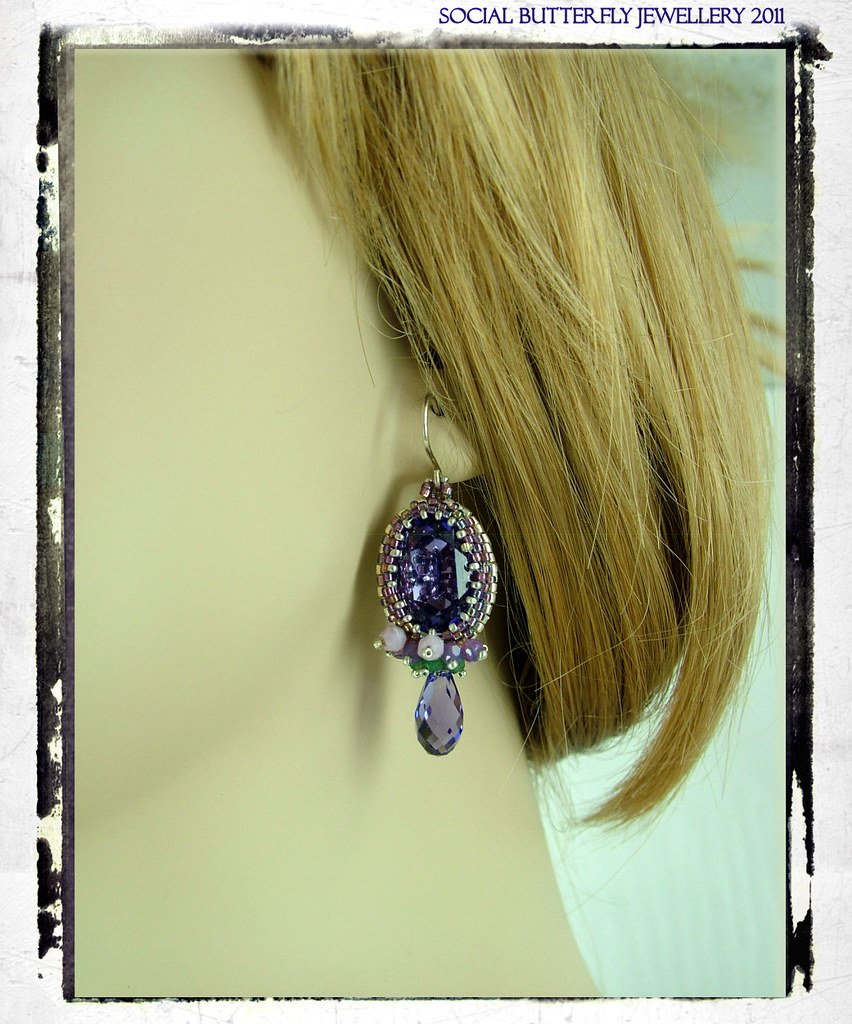
Gemstones and Cubic Zirconia
Genuine gemstones vary in hardness and chemical sensitivity — a general
safe approach for most common gemstones (excluding particularly
sensitive stones like opal or emerald, which need individual research
before cleaning) is a soft brush with mild soap and water, followed by
thorough drying to prevent water spotting on the setting. Cubic
zirconia, used in several of our tennis bracelet and necklace picks,
tolerates cleaning similarly to solid metal, but the setting’s metal
plating (if not solid) should still be treated with the gentler
plated-metal method rather than the more thorough gemstone cleaning
approach.
Leather and Fabric Elements
For jewelry incorporating leather (like the wrap-style watch pick) or
fabric elements, water-based cleaning should be avoided entirely — a
dry, soft cloth wipe is the safe default, with any deeper cleaning
requiring leather-specific conditioning products rather than jewelry
cleaning methods, since standard jewelry cleaning approaches aren’t
formulated for organic materials like leather at all.
What to Avoid Across All Materials
A few methods are worth avoiding regardless of material: ultrasonic
cleaners, while effective for solid gemstone jewelry with no plating or
organic elements, can damage plated pieces, loosen certain gemstone
settings, and are entirely unsuitable for pearls. Toothpaste, sometimes
recommended as a DIY jewelry cleaner, is generally too abrasive for
plated pieces and can scratch softer gemstones — it’s a myth worth
retiring rather than a legitimate home remedy.
A Practical At-Home Cleaning Kit
A soft polishing cloth (for plated and solid metal pieces), a very soft
brush reserved only for jewelry (for solid gold/silver and most
gemstones), and a separate soft, slightly damp cloth reserved only for
pearls covers the large majority of pieces across our Affiliate Picks
catalog safely, without needing specialized solutions for each
individual material.
Frequently Asked Questions
How often should jewelry actually be cleaned at home?
For daily-wear pieces, a quick wipe after each wear (per our care-
routine guide) plus a more thorough clean every few weeks is generally
sufficient; occasional-wear statement pieces need cleaning only after
each wear, given their lower overall exposure.
Is it worth having fine jewelry professionally cleaned instead of
doing it at home?
For higher-value pieces, particularly those with gemstone settings,
periodic professional cleaning (which can also catch a loosening prong
or setting issue before it causes a lost stone) is worth the cost
relative to the piece’s value — home cleaning is generally sufficient
for fashion jewelry and lower-value fine jewelry.
Can the same cloth be used across different jewelry materials?
Not ideally — using a cloth that’s touched tarnish-removal treatment for
silver on a pearl piece afterward can transfer residue that dulls the
pearl’s surface, so keeping cloths separated by material category (or at
minimum, keeping a dedicated pearl-only cloth) is worth the small extra
effort.